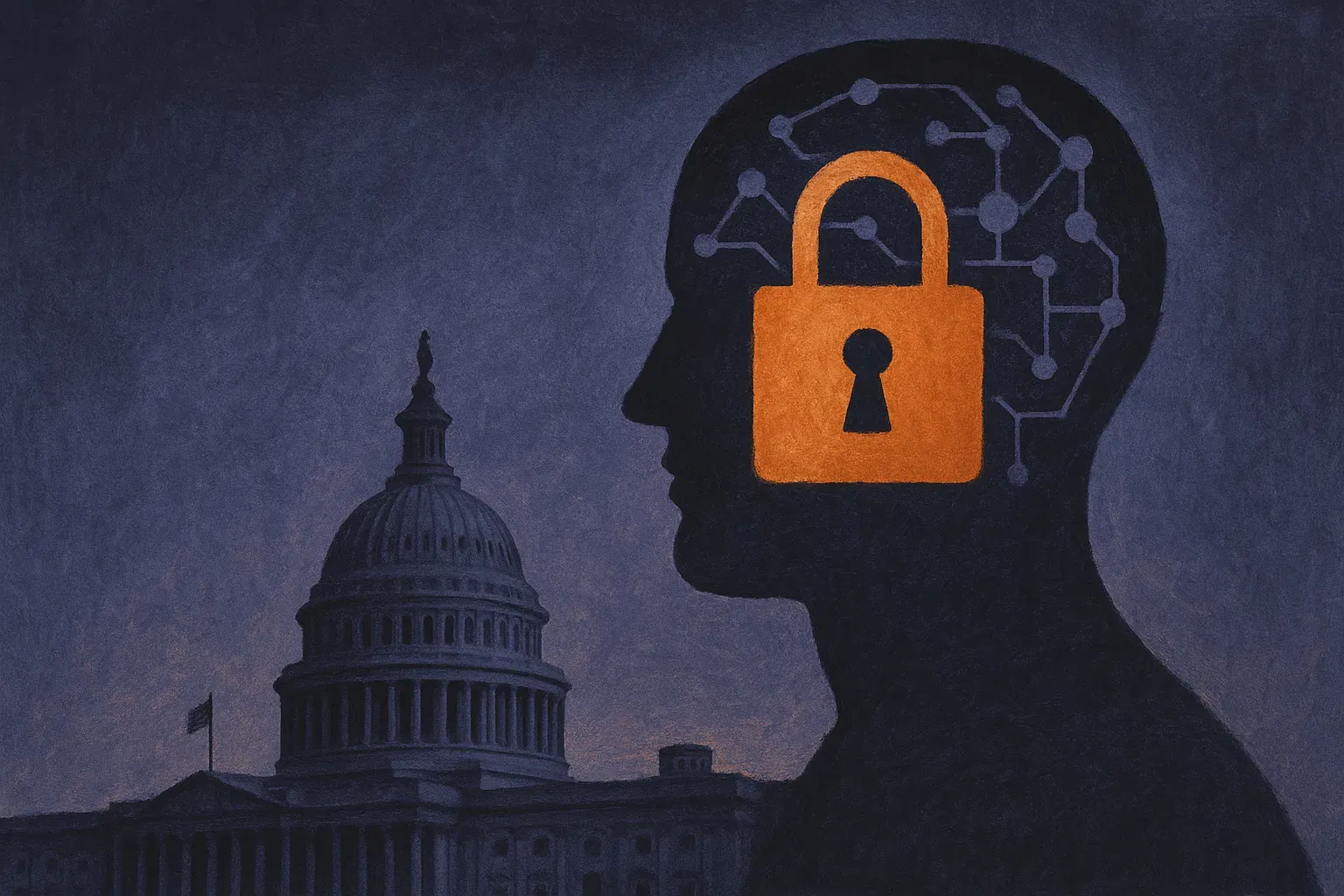
OpenAI’s national security oversight push is about institutional capacity
OpenAI says it will support government institutions with tools, training, and expertise for democratic oversight of AI in national security. The useful read is not that oversight is solved, but that implementation capacity is becoming the bottleneck.
TL;DR: OpenAI’s national security oversight initiative points at the right bottleneck, democratic control only works if institutions have the technical capacity to inspect, question, and operate AI systems.
What did OpenAI announce?
OpenAI said in its blog post, “Strengthening democratic oversight in national security,” that it is launching an initiative to support government institutions with “tools, training, and expertise” for AI oversight in national security.
That is the whole story we can responsibly state from the provided first-party material. No agency list. No budget. No timeline. No details on what the tools are. No independent governance structure described in the source material. So the right read is not “OpenAI has fixed national security AI oversight.” It has not shown that here.
The more useful read is narrower: OpenAI is positioning itself as both a supplier of AI capability and a trainer of the institutions meant to oversee that capability.
That is consequential. National security is one of the places where AI adoption will not look like a normal SaaS rollout. The users may be intelligence analysts, defense staff, cybersecurity teams, or policy offices. The data may be classified. The failure modes may be hard to publish. The oversight bodies may not have the same technical access as the operators. And the people making democratic decisions often do not have hands-on experience with frontier systems.
That gap matters more than most policy language admits.

Why does “tools, training, and expertise” matter more than principles?
Principles are cheap. Capacity is expensive.
A legislature can say AI systems used in national security should be accountable, lawful, auditable, and aligned with democratic values. Fine. Then someone has to ask the actual questions: What model is being used? What data can it touch? What logs exist? Who can override it? What happens when it fabricates? How are errors discovered after deployment? Can an inspector reproduce the output? Can a non-vendor technical team test it?
That is where most oversight collapses. Not because nobody cares, but because the institution doing oversight lacks the tooling, staff depth, or access needed to do real inspection.
So OpenAI’s framing is directionally right. If government institutions are going to oversee AI in sensitive settings, they need more than briefings. They need working knowledge. They need evaluation methods. They need red-team muscle. They need procurement people who can read model cards and security docs without being snowed. They need operators who know when a model is useful, when it is guessing, and when it should not be in the loop at all.
The catch is vendor dependence. If the same company providing powerful systems is also providing the training and oversight tools, the incentives get messy. That does not make the initiative bad. It does mean democratic oversight cannot be vendor-shaped by default.
A healthy version would include government-owned evaluation capacity, outside technical auditors where possible, clear conflict rules, and published oversight patterns that other labs can be held against. In classified settings, full transparency is not realistic. But process transparency still matters. Who evaluates? Who decides acceptable use? Who can halt a deployment? Who sees incident reports?
What should builders and operators watch next?
The next signal is specificity.
If OpenAI names partner institutions, describes concrete training programs, publishes oversight artifacts, or explains how government teams can test systems independently, this becomes more than a governance press line. If the initiative stays at “tools, training, and expertise,” it remains a useful intent statement with unanswered implementation questions.
For builders, the practical lesson is simple: do not treat oversight as a PDF layer added after deployment. Build the inspection path while you build the product. Logs, permission boundaries, eval suites, human review points, incident handling, and model-use documentation are not bureaucracy in high-stakes environments. They are the product surface for the people who have to trust, approve, or stop the system.
Try this on your own AI workflow: write down who has the authority to challenge the model, what evidence they can inspect, and what happens when the system is wrong. If you cannot answer those three questions, you do not have oversight yet. You have vibes, access control, and hope.