OpenAI’s cyber eval issue is really a process story
OpenAI says third-party cybersecurity evaluations involving its models exposed gaps in how testing is run. The useful lesson is not model drama. It is that AI safety evals now need production-grade controls, evidence trails, and boring operational discipline.
TL;DR: OpenAI’s cyber eval incident shows that third-party model testing is no longer a research courtesy, it is a security workflow that needs the same controls as production access.
What did OpenAI actually say?
OpenAI published an announcement titled “Third-party cyber evaluations involving OpenAI models,” saying recent third-party cybersecurity evaluation incidents led it to outline new safeguards for AI model testing and evaluation.
That is the primary fact pattern we have. OpenAI says there were incidents. The incidents involved third-party cyber evaluations. The company is responding with safeguards.
The thinness matters. Without the full incident details, nobody outside OpenAI should pretend to know exactly what failed. Was it scope creep by evaluators? A misuse of model access? Weak sandboxing? A disclosure problem? A data handling issue? The public material does not support a clean diagnosis.
But the bigger lesson is still clear: cyber evals are crossing from “smart people poking at a model” into a controlled operating environment. That shift is overdue.
A frontier model cyber evaluation is not like asking a few researchers to rate summaries. The task domain itself can involve exploit chains, malware-adjacent reasoning, credential handling, phishing patterns, vulnerability discovery, and operational security. Even when the goal is defensive, the work product can be sensitive. The model’s answers, the evaluator’s prompts, the benchmark tasks, and the surrounding tooling can all become risk surfaces.
That does not mean cyber evals should stop. It means the process around them has to grow up.
Why are third-party cyber evaluations hard to govern?
The phrase “third-party evaluation” sounds reassuring. It implies independence. External scrutiny. Less self-grading.
Good. We need that.
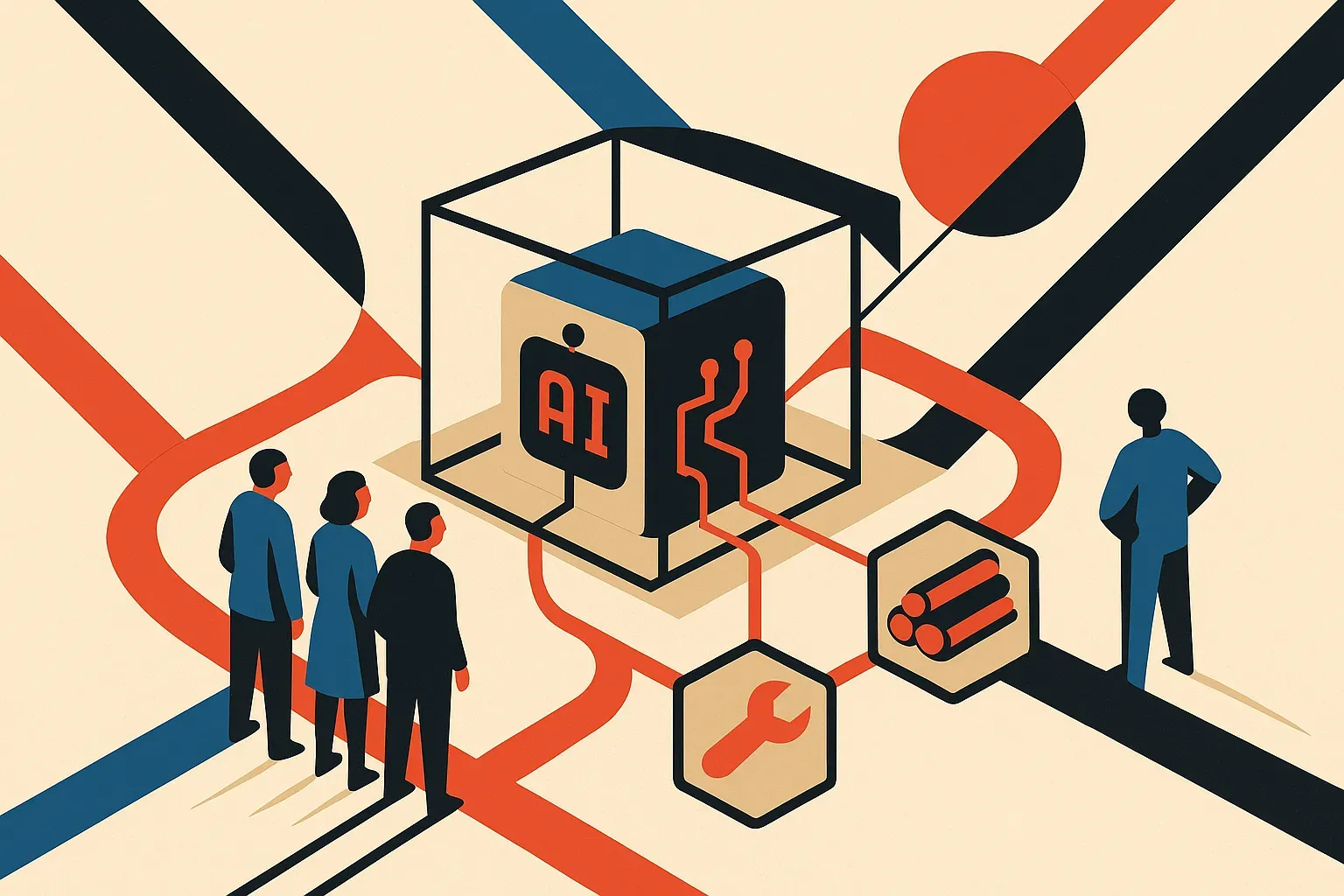
But third-party access also creates a messy accountability problem. The model provider controls the model. The evaluator controls the test design. Sometimes a customer, lab, auditor, or government body controls the objective. Each party may have a different idea of what “safe testing” means.
Cyber makes that worse because the line between evaluation and capability transfer is not always clean. A prompt can be a test case. It can also be a recipe. A transcript can be evidence. It can also be sensitive artifact leakage. A benchmark can reveal what the model can do. It can also train future attackers on what to ask.
This is where OpenAI’s announcement is useful even without all the incident specifics. It signals that evaluation safety is not just about the model’s refusal behavior. It is also about who gets access, under what contract, in what environment, with what logging, with what escalation path, and with what limits on publishing details.
The industry has spent years arguing about whether models are dangerous. The more practical question is now: can labs run dangerous-domain testing without turning the test itself into a new failure mode?
What should builders copy from this?
If you run AI evals in a sensitive domain, treat the eval harness like production infrastructure.
That means scoped access, not open-ended access. It means isolated environments where tools, files, internet access, and model versions are pinned. It means logging prompts, outputs, tool calls, evaluator actions, and policy exceptions. It means written rules for what evaluators can attempt, what they must stop doing, and who gets paged when something crosses a line.
It also means separating the eval goal from the publication goal. Independent auditors should be able to produce findings without dumping operationally useful attack detail into the public record. That is not secrecy for its own sake. It is basic handling of dual-use material.
For smaller teams, the trap is thinking this only applies to OpenAI-scale labs. It does not. If your product touches code execution, internal data, identity systems, finance, security alerts, customer support, or admin workflows, your red-team process can create real risk. The same evaluator prompt that proves your agent can find a bug may also prove it can take an unsafe action with the right tool permissions.
My practical move: before the next red-team sprint, write a one-page eval operating plan. Who has access. What systems are in scope. What data is fake. What tools are disabled. What logs are retained. What counts as an incident. Who can stop the test. The catch most readers miss is that model behavior is only half the eval. The other half is the room you put the model in.