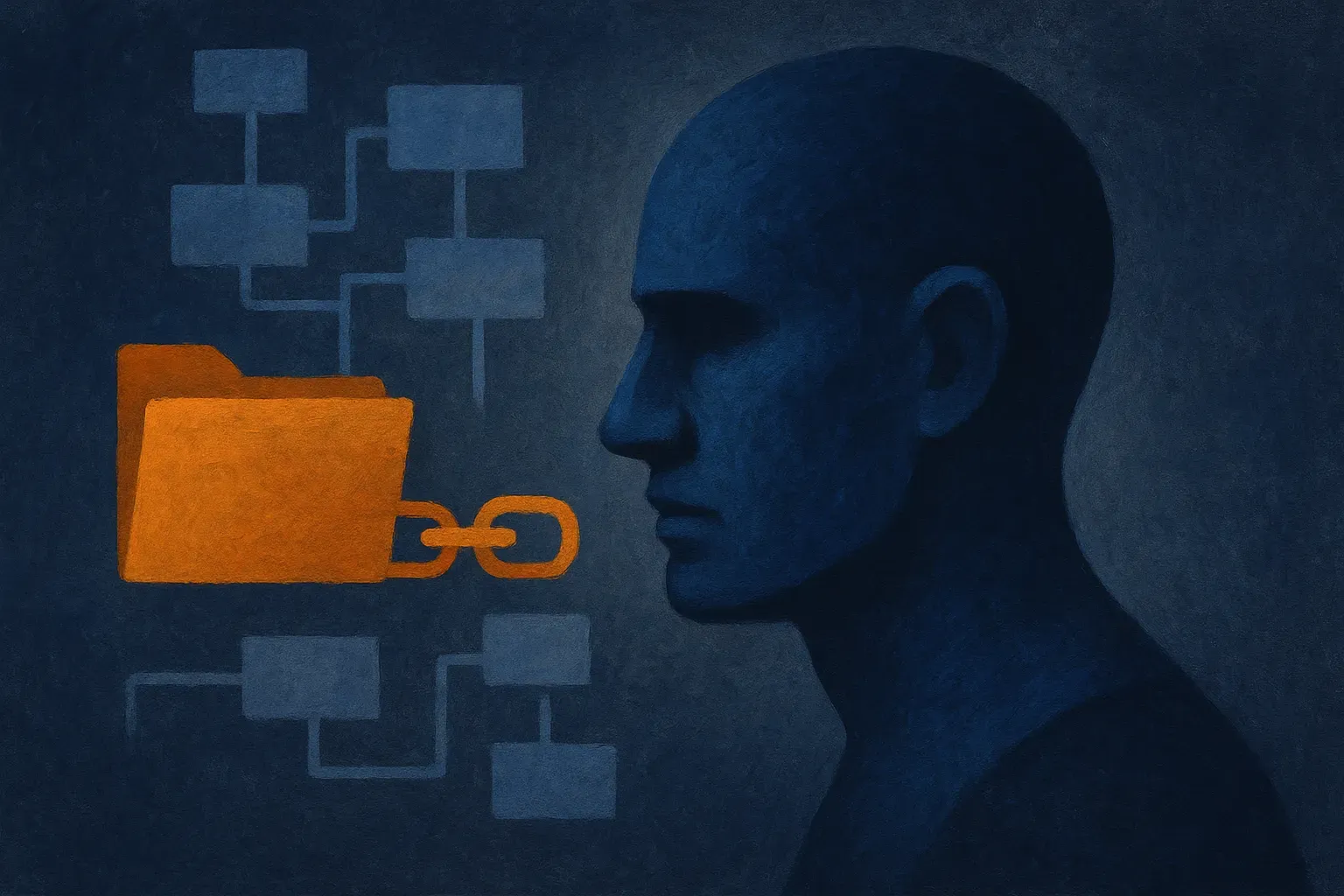
Debian’s LLM debate is really about maintainership
The Hacker News discussion around “LLM Usage in Debian: Three Proposals” points at the right problem: open source projects do not need AI bans as much as clear rules for review, attribution, reproducibility, and who owns the result.
TL;DR: Debian’s LLM question should not be “can contributors use AI,” it should be “who is accountable for the code, metadata, bugs, and copyright risk that enters the archive.”
What is Debian actually deciding here?
The primary source is the Hacker News item titled “LLM Usage in Debian: Three Proposals,” which points to a live open source governance problem more than a model problem.
Debian is not a random GitHub repo. It is infrastructure. Packages flow from maintainers into distributions, containers, cloud images, CI systems, developer laptops, and production servers. A small policy change there can set norms for a large part of the software supply chain.
That makes the LLM question harder than the usual “AI makes coding faster” thread.
For a solo app developer, using Claude Code, Cursor, Codex, or Gemini CLI is mostly a personal workflow choice. If the generated code breaks, you own the breakage. In Debian, the same act touches shared trust. A maintainer might use an LLM to draft a patch, rewrite a changelog, triage a bug, translate package descriptions, generate tests, or summarize upstream changes. Those are different risk classes.
Generated tests are not the same as generated security patches. A rewritten README is not the same as a generated maintainer script. A bug summary is not the same as a license interpretation.
So I would not start with a blanket yes or no. I would start with role and artifact. What did the model help create? Is it executable? Is it shipped to users? Does it affect licensing, security, or package behavior? Can a human reviewer reproduce the reasoning without trusting the model?
That is the real policy surface.
Why is disclosure not enough?
Disclosure sounds clean. “This patch used an LLM.” Good. But that alone does not solve much.
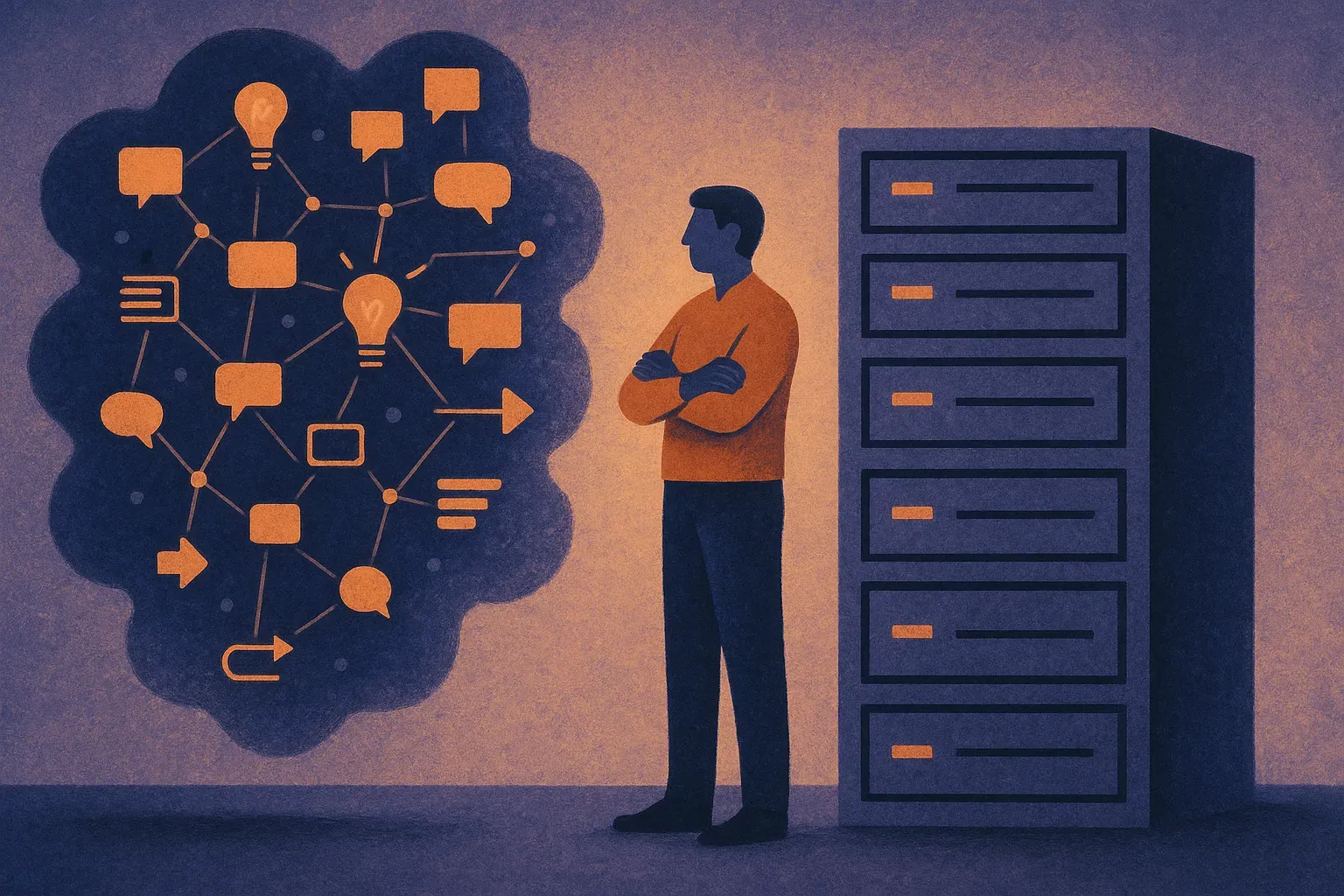
The hard part is accountability. If a model suggests a patch that subtly breaks an init script, Debian cannot file a bug against the model in any meaningful way. The maintainer still has to understand the change, test it, and take responsibility for it.
Attribution is also messy. Many model outputs are boring and generic. Some are not. Open source projects need a practical rule that does not turn every typo fix into a legal ceremony, while still treating copied code, license-sensitive material, and generated large patches with care.
Then there is review quality. LLMs are good at producing plausible diffs. Plausibility is dangerous in package maintenance, because reviewers already run on limited time. A generated patch can look idiomatic and still be wrong in a package-specific way. Debian’s process has earned trust through human judgment, maintainership history, reproducible builds, bug tracking, and conservative change control. LLMs should fit inside that system, not float above it.
This is where a tiered norm makes sense. Low-risk assistance, like drafting a bug summary or suggesting test cases, can be allowed with light expectations. Medium-risk contributions, like generated patches, should require maintainer verification and clear disclosure when submitted for review. High-risk areas, like security fixes, licensing analysis, maintainer scripts, and automated mass changes, need stricter review or explicit limits.
Not because LLMs are uniquely evil. Because scale changes failure modes.
What should open source projects copy from this debate?
Debian’s debate is useful because most projects will face the same issue later, with less process and fewer experienced maintainers.
The mistake is treating AI policy as culture war. “No AI slop” is emotionally satisfying, but vague. “AI is just a tool” is also vague. Projects need rules that match contribution paths.
A small project can write a short CONTRIBUTING note: contributors may use AI tools, but they must review all output, disclose generated non-trivial code, avoid submitting code they do not understand, and confirm they have not pasted private issue data or third-party proprietary code into hosted tools. That will not solve every edge case. It is still better than pretending the workflow does not exist.
Large projects need more. They need maintainer guidance, examples of acceptable and unacceptable use, rules for automated PRs, and a place to record uncertainty. They also need to protect human reviewers from volume attacks, accidental or intentional. A flood of generated “helpful” patches can burn out a team faster than no help at all.
Practitioner’s Take: If you maintain a project, do not wait for the perfect AI policy. Add a short rule now: contributors own AI-assisted work exactly as if they wrote it by hand, non-trivial generated code must be disclosed, and reviewers can reject changes the submitter cannot explain. Then test the policy on real PRs. The catch most teams miss is review load. The risk is not only bad code entering the repo, it is maintainers spending their scarce attention proving that confident-looking patches are not good enough.