
Canada’s AI strategy has a procurement trust problem
A thin Hacker News item points at a bigger procurement problem for national AI strategy: if governments want public trust, model ambition cannot be paired with opaque vendor spending, especially when the vendor is Palantir and the work could touch sensitive public data.
Al Vigier argued that Canada’s AI strategy should not include secret Palantir bills. The public material here is thin. It does not show the bills, the contract language, the scope, or the agency work involved.
That matters. I do not want to pretend we know more than we do.
But the narrow point is still useful: national AI strategy is not just compute, research grants, foundation models, and startup press releases. It is also procurement. Who gets paid. What systems they build. What data they touch. Who can inspect the work. How a government gets out if the vendor becomes too expensive, too embedded, or too politically toxic.
Palantir is not just another SaaS vendor. It sells data integration and analytics into defense, intelligence, policing, health, and other public-sector environments. That does not make every Palantir contract bad. It does raise the bar for disclosure.
The strategy is the stack
Governments like to talk about AI strategy at the altitude of national competitiveness. Talent. Chips. Sovereignty. Productivity. Those are real issues.
Then the actual state machine buys software.
That is where strategy becomes concrete. A public agency picks a vendor, connects data sources, defines workflows, assigns permissions, and builds habits around a system. After that, the policy memo matters less than the operational dependency.
This is the boring part that decides a lot.
If Canada wants an AI strategy that people trust, it cannot treat vendor contracts as administrative plumbing. The contract is policy. The data-sharing terms are policy. The audit rights are policy. The exit clauses are policy.
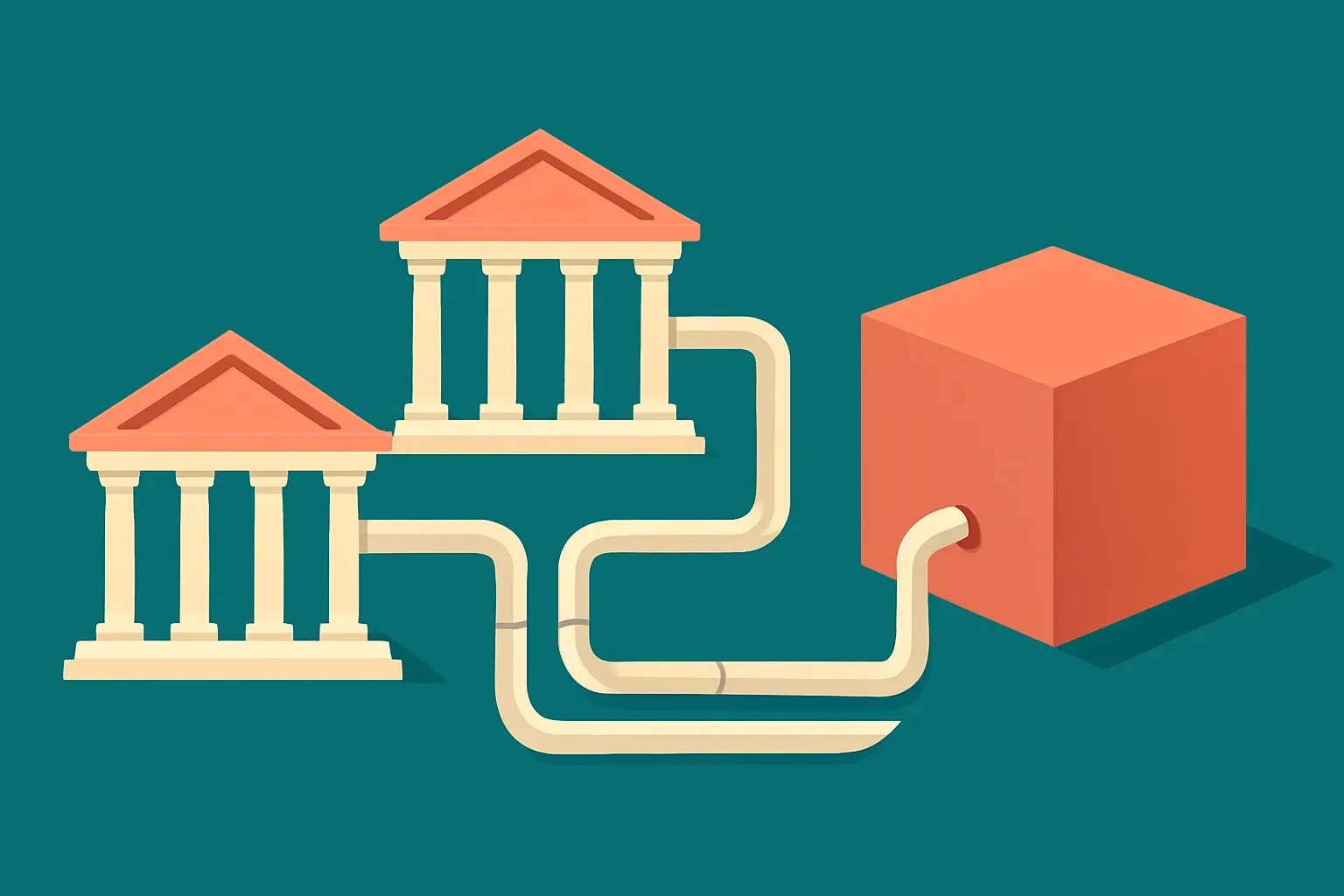
The risk is not only “Palantir bad.” That is too simple. The risk is a government saying “AI strategy” while the public cannot see whether the work is a pilot, a platform, a surveillance-adjacent data layer, or a routine analytics contract with ugly branding.
Those are different things. They deserve different levels of scrutiny.
Secrecy makes good projects harder too
There is a trap here for builders inside government. They often hide details because procurement is slow, politics is brutal, and any vendor name can become a headline. I get the instinct.
But secrecy does not just protect questionable projects. It can poison good ones.
If an agency is using AI to reduce backlogs, flag duplicate forms, improve call-center routing, or help staff search internal policy, that can be defensible. Maybe even boringly useful. But when the vendor, cost, data boundaries, and human review process are hidden, opponents get to fill in the blanks.
With Palantir, they will fill in the blanks aggressively.
A better public-sector AI standard would publish enough to make the shape of the system visible without exposing security-sensitive details. Scope. Vendor. Cost range. Data categories. Whether personal data is used. Whether outputs affect benefits, enforcement, or eligibility. Human review rules. Audit access. Retention. Deletion. Model or system evaluation. Renewal terms.
That is not radical transparency. It is basic operational hygiene.
Trust is cheaper before the contract is signed
Canada has a real AI story. Research depth. Companies building applied systems. A public sector with many places where better software could help. But trust is part of the infrastructure now.
The lesson from Vigier’s complaint is not that governments should never hire controversial vendors. Sometimes they will. The lesson is that controversial vendors require stronger public proof, not weaker disclosure.
If a government cannot explain why a vendor is needed, what data is involved, what the limits are, and how the system will be judged, it probably should not be inside the national AI plan yet.
For builders, the practical move is simple: treat procurement artifacts as part of the product. Before pitching a public-sector AI system, prepare the public version of the architecture, data map, evaluation plan, human-review workflow, and exit path. The catch most teams miss is that “trust” is not a communications layer added after launch. It is designed into the contract, or it is not there.