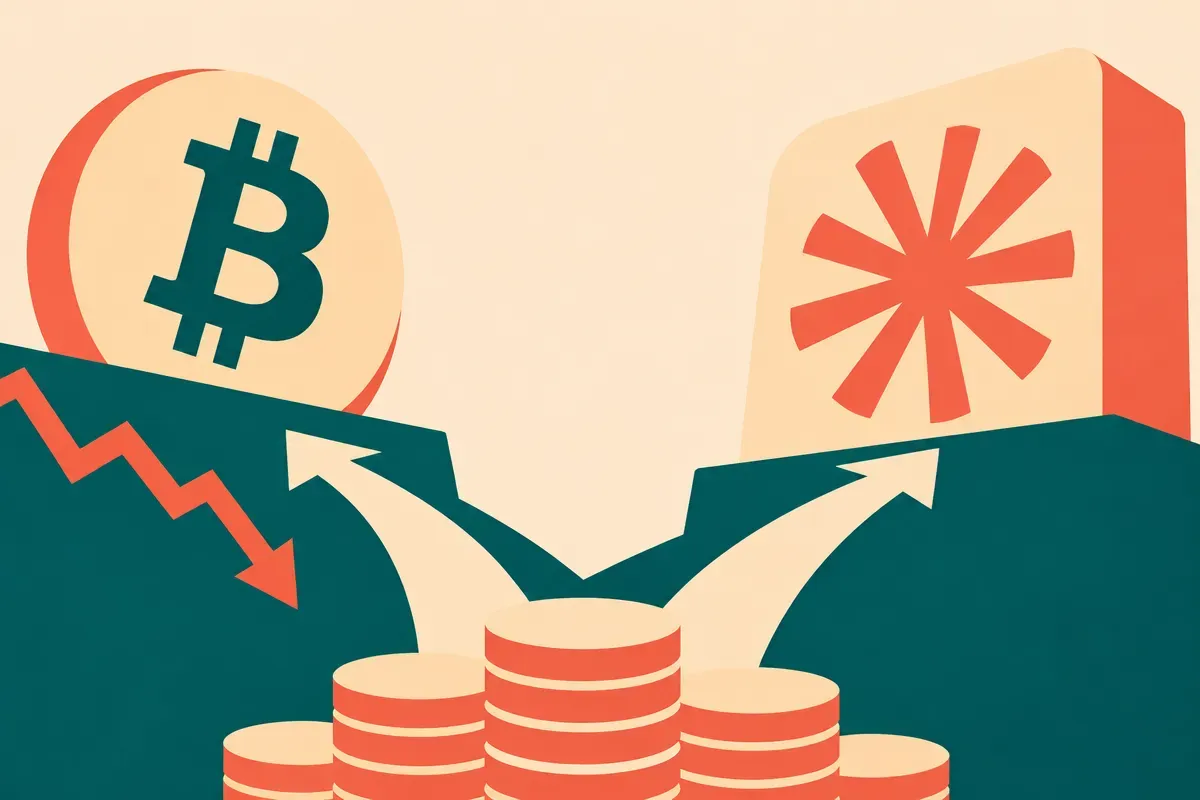
Anthropic IPO chatter is becoming a Bitcoin risk narrative
CoinDesk reports Bitcoin weakness alongside Anthropic IPO anticipation, but the useful read is not that AI caused crypto to fall. It is that AI now competes directly for speculative capital and market attention.
TL;DR: Treat the reported Anthropic IPO buzz around Bitcoin’s slide as a signal that AI is now competing with crypto for risk capital, not as proof that one caused the other.
Did Anthropic’s IPO chatter actually move Bitcoin?
The primary reporting here is CoinDesk’s “Bitcoin plunges to $68,000 as Anthropic IPO frenzy adds to market jitters” and its companion report, “Bitcoin heads for sixth weekly loss as Anthropic’s blockbuster IPO looms.”
CoinDesk reported that Bitcoin fell to $68,000 and was heading for a sixth weekly loss, down 21% this year. It also reported that analysts did not see a direct link between Nvidia and Bitcoin’s decline. Instead, they pointed to investor capital moving toward Anthropic’s anticipated listing, along with a broader risk-off move.
That distinction matters.
“AI IPO causes Bitcoin selloff” is too clean. Markets are rarely that tidy, and the sources here do not show a first-party Anthropic filing, pricing, date, or allocation mechanics. What we have is market narrative, not a confirmed capital-flow map. CoinDesk also cited rising Fed rate hike expectations and Nvidia leadership upheaval as factors investors were weighing. So the honest read is: Anthropic became part of the explanation traders are using for a wider risk reset.
Still, the narrative is interesting because it shows how far AI has moved from product story to capital-market gravity. A private AI lab can now be discussed in the same breath as Bitcoin liquidity, Nvidia, and Fed expectations. That would have sounded odd a few years ago. Now it is normal.
What is the real AI angle?
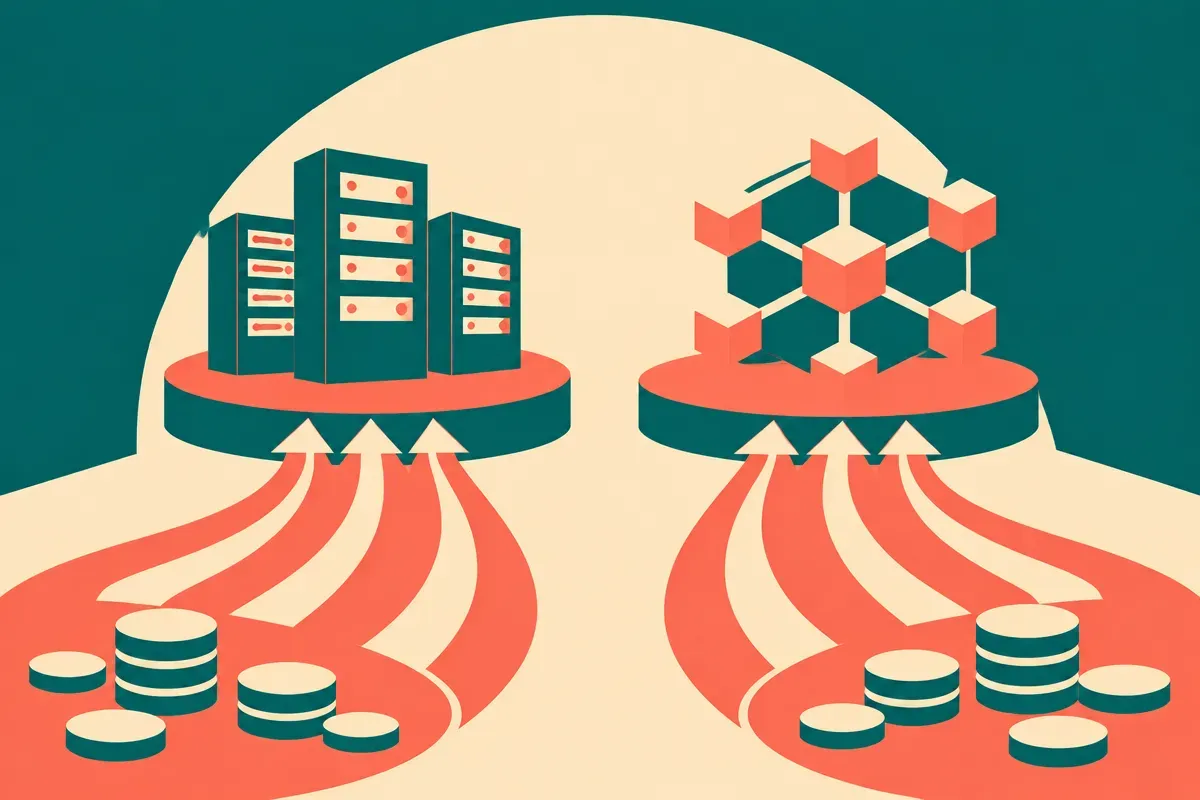
The real AI angle is not Anthropic versus Bitcoin. It is scarcity.
There is only so much risk appetite at a given moment. When rates feel tighter, headlines get noisier, or investors decide to reduce exposure, money has to choose. The AI trade is no longer just Nvidia, cloud contracts, and model demos. It now includes private company secondaries, IPO anticipation, data centers, power, chips, and the idea that frontier labs may become public-market giants.
Crypto used to own a lot of that speculative imagination. Bitcoin still has its own thesis, culture, liquidity profile, and macro role. But AI now offers a competing story: massive demand, visible enterprise spend, strategic national interest, and a handful of companies that look systemically important before they are even public.
That does not make AI “better” than crypto. It means the two can collide in portfolios, even when the technologies have little to do with each other.
This is where builders should pay attention. Public narratives affect private operating conditions. If AI IPO anticipation pulls more capital and attention into foundation model companies, downstream startups may see both benefits and pressure. More capital chases the category. More customers ask AI questions. More competitors slap AI on the deck. More procurement teams assume every product should have model-native features.
The hype tax goes up.
What should operators take from this?
I would not build strategy around a reported market wobble. I would build around the underlying signal: AI is now a first-class allocation category for investors, executives, and media. That changes buyer psychology.
If you sell software, services, infrastructure, content, or workflow automation, your customer may be comparing your product not just to another vendor, but to a general belief that “AI should make this cheaper or faster.” That belief is often vague. Sometimes it is wrong. But it is now in the room.
The practical response is not to overclaim. It is to make the AI part of your product legible. What task does it improve? What input does it need? What human review remains? What failure mode should the customer expect? Where does it save time today, not in some imagined future release?
That kind of clarity travels better than market narratives.
For builders, I would use this moment as a positioning audit. Read your homepage, sales deck, and product docs as if the buyer has just seen a week of Anthropic IPO headlines and Bitcoin volatility. If your AI story sounds like a funding headline, rewrite it around one workflow, one measurable user outcome, and one limit you are willing to admit. The catch most readers miss: when capital floods into a category, trust becomes scarcer than money.