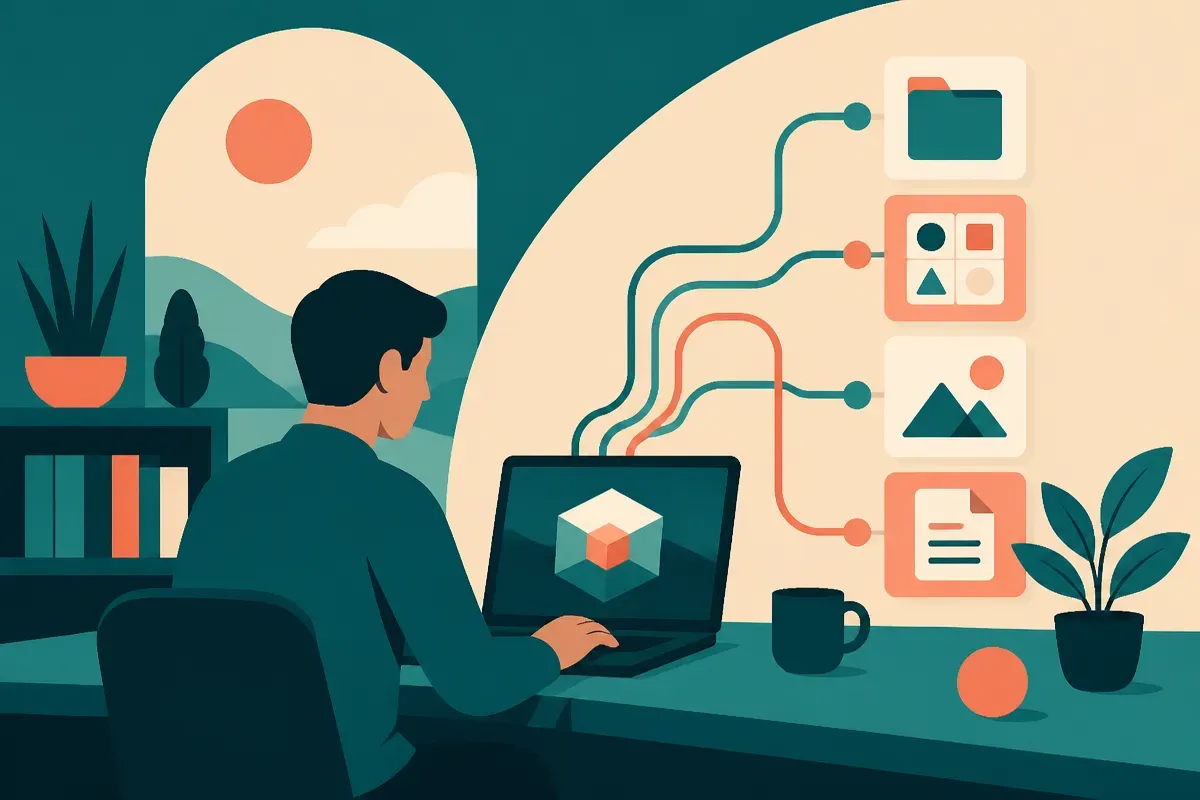
Local AI is becoming the quiet default for private workflows
Running open-weight models on your own machine is not mainly about beating frontier chatbots. It is about privacy, offline access, cost control, and turning small repeatable tasks into local workflows you actually own.
TL;DR: Local AI is useful when you need privacy, offline access, and repeatable workflows, not when you expect a laptop model to beat the best hosted systems.
What is local AI actually good for?
Decrypt’s local AI guide points readers toward tools like Ollama and LM Studio, which Decrypt reports can run open-weight models on a laptop, offline, and without a subscription. That framing is useful because it cuts through the wrong comparison.
The wrong comparison is: “Can this beat ChatGPT, Claude, or Gemini?”
Usually, no. Not across broad reasoning, coding, tool use, multimodal work, and long-context tasks. Hosted frontier models still have the advantage in scale, infrastructure, and polish.
The better comparison is: “Can this handle private, repetitive, good-enough work without sending data to a cloud API?”
Often, yes.
That includes rewriting internal notes, summarizing local documents, classifying messy text, drafting boilerplate, extracting fields from files, generating placeholder copy, and testing prompts before you send anything to a paid model. It also includes work where internet access is spotty or where a client, employer, or regulator would rather not have sensitive text pasted into a hosted chatbot.
Local AI turns the model into infrastructure. Less magic assistant. More like a private command-line tool with language skills.
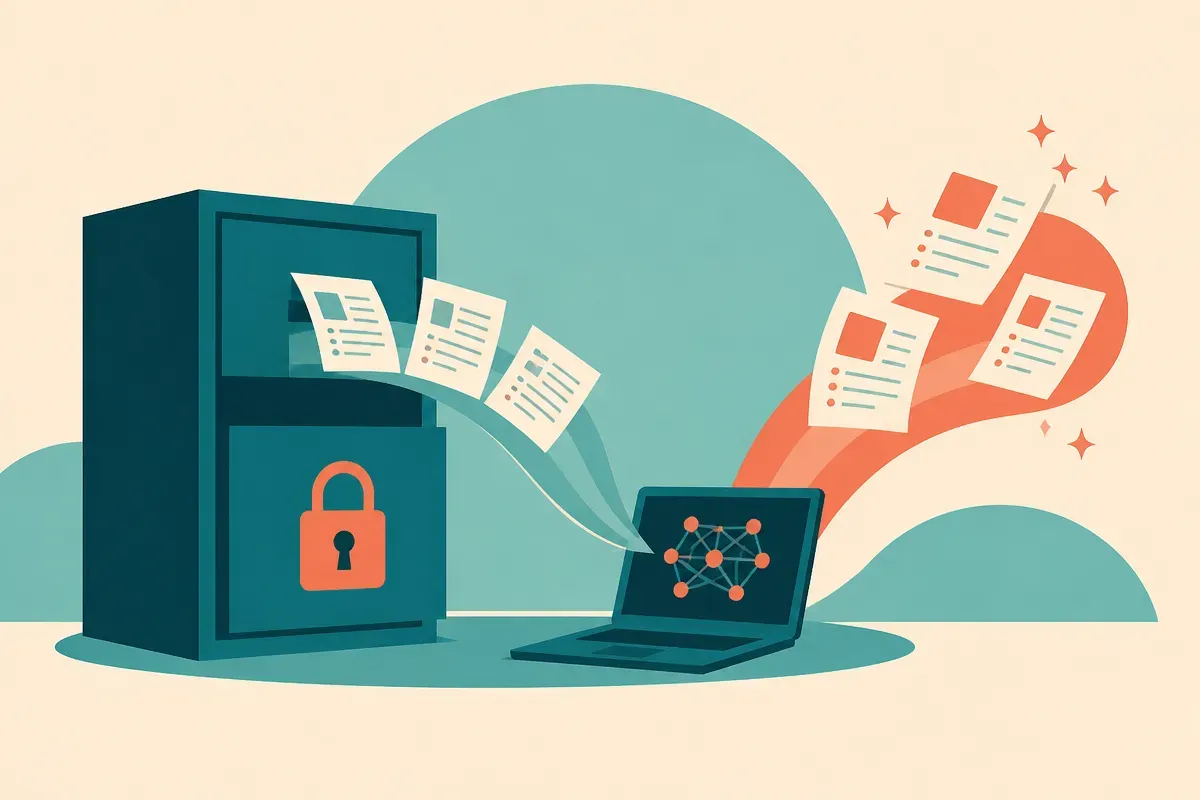
Why would you run a model on your own laptop?
The first reason is privacy. Not perfect privacy, because your machine, operating system, extensions, sync settings, and local files still matter. But local inference changes the data path. Your prompt does not have to leave the device just to get an answer.
The second reason is control. Hosted products change. Models get renamed. Interfaces move. Rate limits appear. Features get bundled into plans. A local setup is not immune to maintenance, but it gives builders a stable sandbox. If a workflow depends on a specific open-weight model and a known prompt, you can pin it, test it, and keep using it.
The third reason is economics. Decrypt frames local tools as free options, but “free” still has an asterisk. You pay with hardware, storage, battery, time, and patience. Small models can run on consumer machines. Larger ones may be slow, memory-hungry, or simply impractical without better hardware. The subscription may disappear, but the operational cost does not.
That trade is still attractive for certain jobs. If you process lots of low-stakes text, or you need a private drafting partner for internal material, local AI can be the boring answer. Boring is good.
Where does local AI break down?
Local AI breaks when expectations drift.
A small local model may summarize a document well enough, then hallucinate a citation. It may write acceptable copy, then fail a nuanced instruction. It may classify 200 files cleanly, then stumble on the 201st because the input format changed. This is not a reason to avoid local models. It is a reason to test them like software.
The right pattern is not “install model, trust model.” It is “install model, constrain task, measure output.”
Use local models where the job is narrow, the acceptable output is easy to inspect, and the downside of a miss is low. For higher-stakes work, use them as a first pass, not the final authority. If the task involves legal interpretation, medical advice, financial decisions, production code, or anything that can hurt someone, local does not mean safe. It just means local.
I would also separate local chat from local workflow. Chat is fun. Workflow is where the value compounds. A folder watcher that summarizes new PDFs, a script that cleans exported CRM notes, a private writing assistant for first drafts, a local classifier for support tickets. These are less glamorous than a chatbot demo, but much more likely to survive contact with real work.
For builders, the move is simple: pick one repetitive text task you already do, run it through a local model, and compare the output against your current process. Do not start with your hardest job. Start with something annoying, private, and easy to verify. The catch most readers miss: local AI is not a cheaper clone of frontier AI. It is a different deployment surface, and its best use is controlled, private, repeatable work.