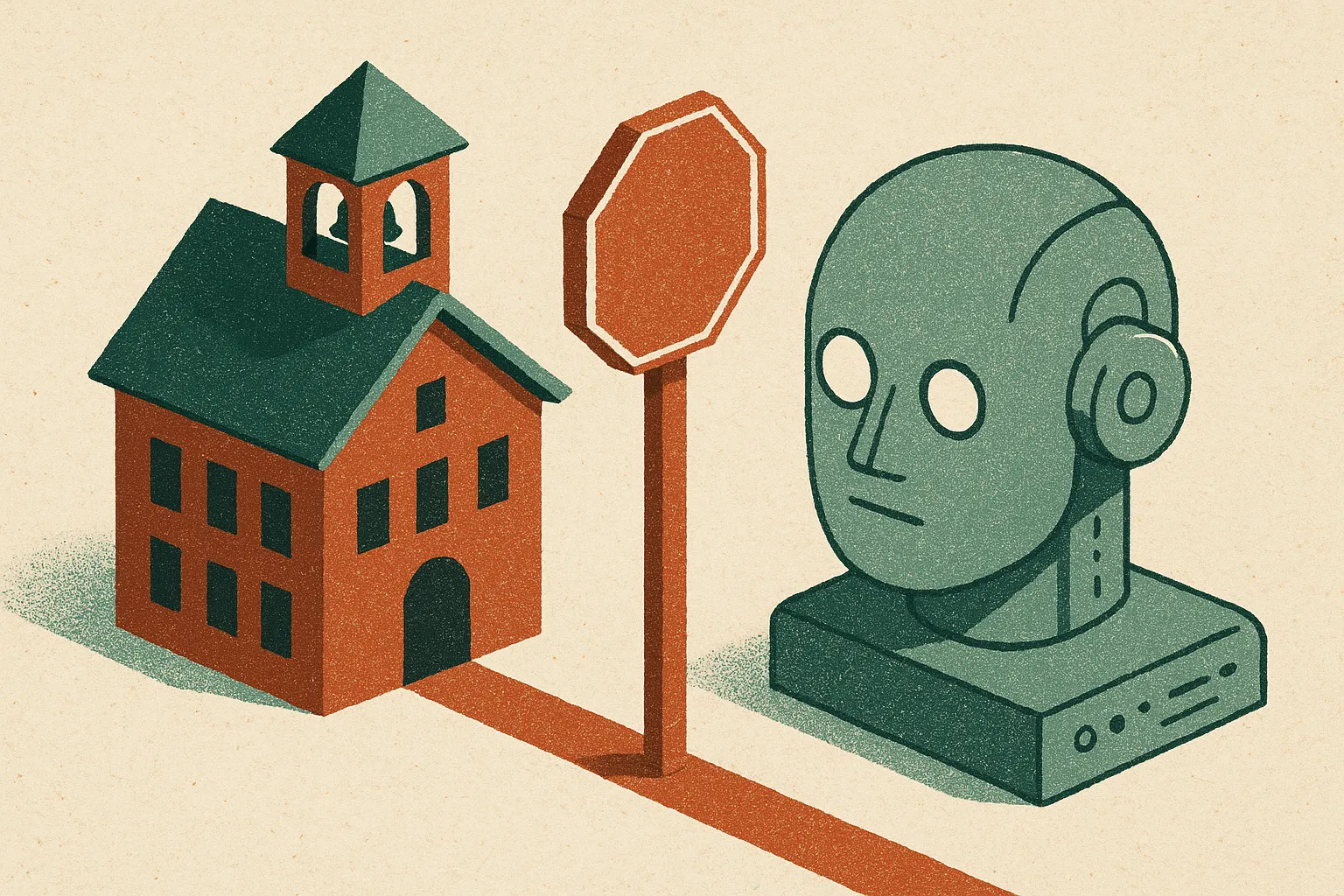
NYC schools pause generative AI, except for controlled pilots
Decrypt reports that Mamdani has imposed a one-year generative AI moratorium across NYC schools, cutting off access for nearly 600,000 students while preserving metered high school pilots with five vendors. The useful lesson is not anti-AI policy. It is procurement discipline under real classroom pressure.
TL;DR: NYC’s reported school AI pause is best read as a governance reset, not an AI rejection, because the district is stopping broad access while keeping controlled pilots alive.
What actually changed in NYC schools?
Decrypt’s report, “Mamdani Imposes One-Year Moratorium on Generative AI in NYC Schools,” says Mamdani has imposed a one-year moratorium on generative AI in New York City schools. Decrypt reports that nearly 600,000 students lose access to generative AI tools, while five named vendors keep metered pilots running in high schools.
That last clause matters.
A true ban would shut the door. This does not sound like that, at least based on Decrypt’s reporting. It sounds more like a district saying: no broad, unmanaged use for now, but yes to limited trials where access, vendor behavior, and classroom fit can be measured.
I would not overread the politics from the thin public record here. The supplied material does not include a city announcement, procurement memo, school guidance, vendor list, pricing, enforcement rules, or privacy terms. So the right posture is restraint. We can say what Decrypt reported. We should not pretend we know the operational details yet.
Still, the shape is familiar. Big district. Uneven teacher training. Student data questions. Academic integrity panic. Vendors knocking. Parents split between “my kid needs this” and “my kid is being experimented on.” In that setting, a one-year pause buys time. It also creates a market signal: pilots with controls may survive, blanket deployment may not.
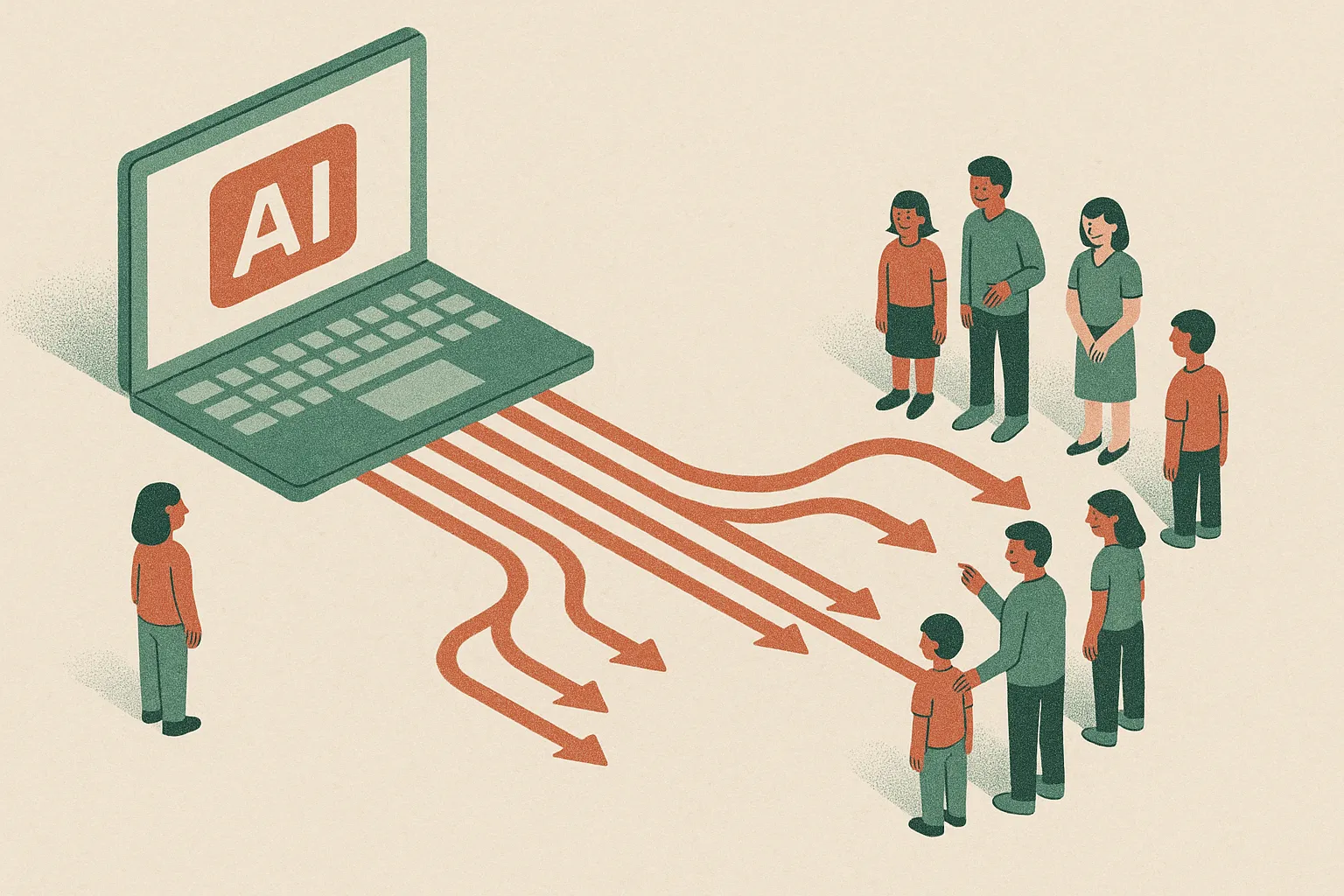
Is this a ban or a procurement filter?
The useful distinction is access versus adoption.
Schools have often treated generative AI as a browser problem: block it, unblock it, whitelist a tool, blacklist another one. That is too shallow. The harder questions are institutional. What data can leave the district? Can student work train a model? Who sees prompts? What happens when the model gives bad tutoring? Can a teacher audit the interaction? Does the product help a struggling ninth grader, or just produce prettier homework?
A moratorium can be lazy policy if it is just fear with a calendar. But a moratorium paired with metered pilots can be serious policy if the district uses the year to learn.
The word “metered” is doing a lot of work in Decrypt’s report. Metering implies constraints: limited users, limited usage, some kind of monitoring, perhaps budget control. We do not know the exact mechanism from the supplied material. But the concept is right. In education, pilots should not be demos with children. They should be bounded tests with clear questions.
For example: does an AI writing assistant improve revision quality without replacing student thinking? Does a math tutor help students persist longer on hard problems? Do English language learners benefit from instant feedback? Which teachers actually use the tool after the vendor training ends? What harms show up in the logs?
Those are answerable questions. “Should schools use AI?” is too broad to operate.
What should builders learn from this?
If you sell AI into schools, the age of “ChatGPT but for classrooms” is ending. Districts need proof, controls, and boring admin surfaces. They need data retention settings, teacher visibility, age-appropriate defaults, exportable audit trails, and simple ways to turn features off. They also need evidence that maps to classroom outcomes, not a slide saying engagement went up.
If you are a school operator, the lesson is similar. Do not choose between panic and total access. Create tiers. Ban unsanctioned use where you cannot see the risk. Run small pilots where you can. Pick a few use cases, not every use case. Train teachers before students. Decide what counts as acceptable help. Then write it down in language a parent can understand.
The catch most readers miss: the pilot group becomes the policy lab. If NYC’s reported moratorium leaves only five vendor pilots alive, those pilots will shape what “safe AI in school” means for everyone else. Builders should treat that as a design brief. Bring less magic, more controls. Show what happened in the classroom, what failed, and what you changed because of it.