AI arguments are usually frame fights
The arXiv paper Method, Mind, and Morality gives builders a useful map for diagnosing AI debates: most disagreements are not about one model result, but about method, mind, and moral speed.
TL;DR: Before arguing about whether an AI system is safe, useful, overhyped, or dangerous, identify the frame people are using: method, mind, or morality.
What frame is your AI argument really using?
The primary source here is the arXiv paper “Method, Mind, and Morality: How People Make Sense of Artificial Intelligence”. It is a useful reminder that AI debates are often less technical than they look.
The paper studies AI sensemaking through computational text analysis of millions of AI-related newspaper articles and social media posts, grounded in 57 semi-structured interviews with AI professionals in 2021 and 2023. That timing matters. The interviews span the before-and-after of the public generative AI surge, when the conversation shifted from “interesting lab demo” to “this is now in schools, offices, courtrooms, campaigns, and customer support.”
The paper’s useful move is to sort AI discourse into three debates: method, mind, and morality.
Method is about how people think AI is built. Is it a top-down engineered system, designed by experts with understandable parts? Or is it a bottom-up system where capabilities emerge from scale, data, training, and feedback?
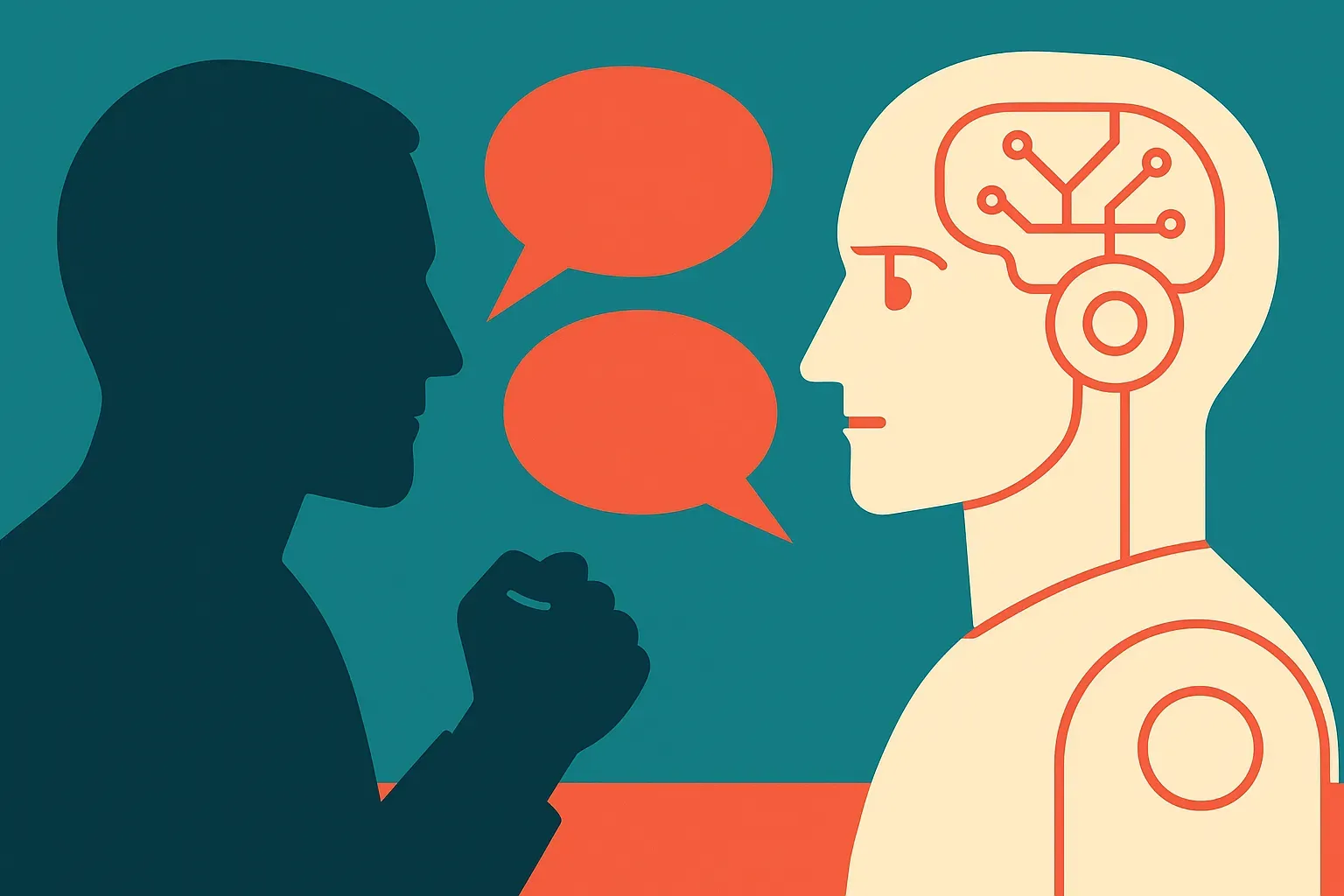
Mind is about what people think the system is. A passive tool? A simulator? A collaborator? A humanlike “digital mind”?
Morality is about what people think should happen next. Speed up development because the benefits are large and delay has costs. Or slow down because the risks are real, concentrated, and hard to reverse.
Those frames explain why two smart people can look at the same model and talk past each other. One is debating benchmark behavior. One is debating agency. One is debating institutional power. Nobody is necessarily confused. They are just answering different questions.
Why does “tool or mind?” change product decisions?
This is not just sociology for conference panels. The frame changes what you ship.
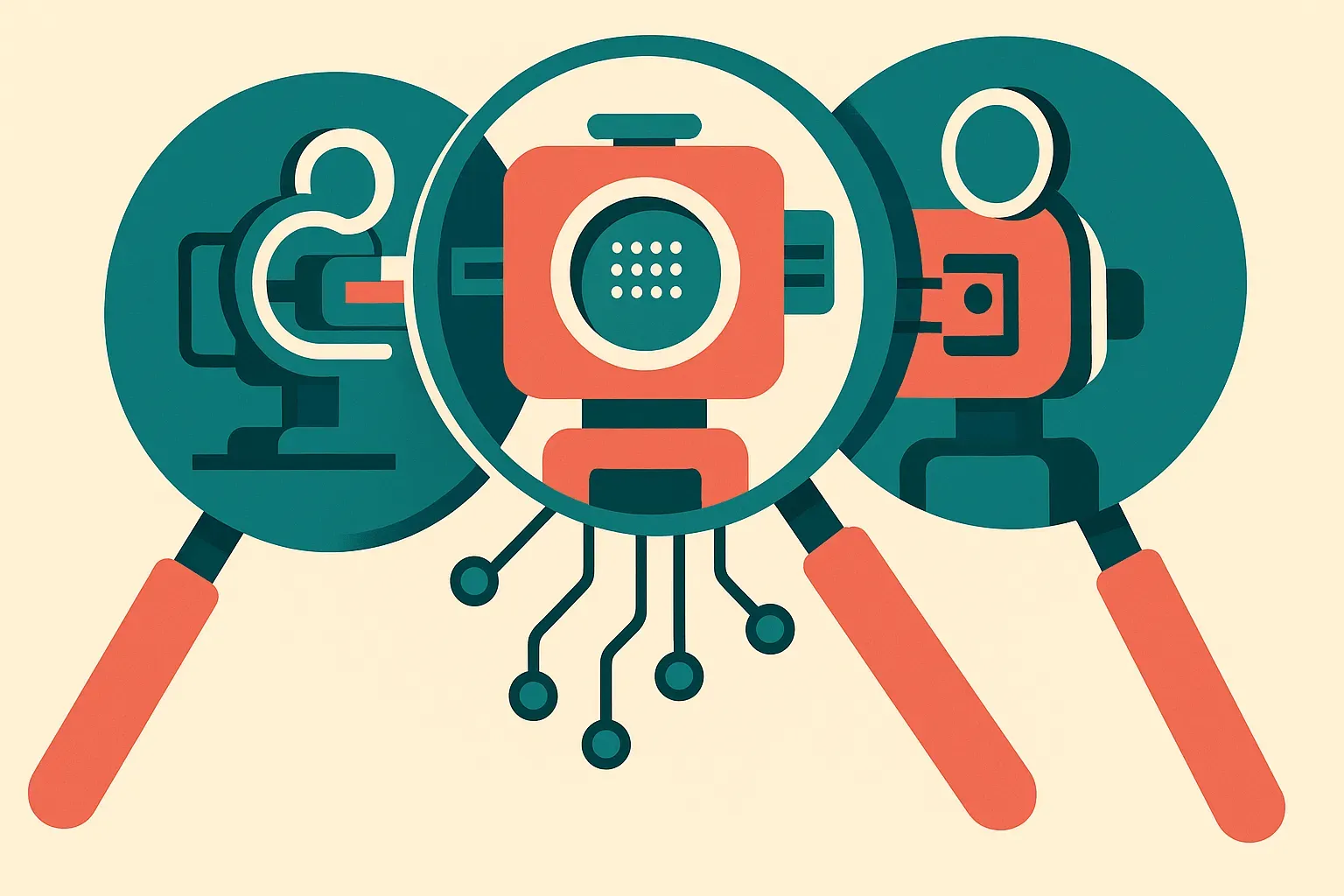
If your team frames an AI system as a tool, you design for command, inspection, undo, logs, and user responsibility. The human is the actor. The model is an instrument.
If your team frames it as a coworker, you design for delegation, memory, handoffs, identity, permissions, escalation, and trust calibration. The model starts to look like a participant in a workflow.
If your team frames it as a mind, even loosely, you inherit a different set of questions. What does consent mean? What counts as manipulation? Should the system imitate care, grief, authority, or friendship? A product manager may think they are choosing tone and retention mechanics. A user may experience something closer to dependency.
The paper does not settle which frame is correct. That is the point. Frames are not facts. They are ways people organize facts, responsibility, and fear. The practical risk is pretending your product has no frame. It does. The copy, UI, onboarding, defaults, error messages, and pricing page all teach users what kind of thing they are dealing with.
“Ask our AI assistant” teaches one frame. “Automate this workflow” teaches another. “Meet your new teammate” teaches a third. These are not cosmetic choices.
Can this help cut through AI policy fights?
Yes, if used carefully.
A lot of AI policy argument gets stuck because “go faster” and “slow down” are treated as personality types. The paper’s morality frame is better than that. Speed is a moral claim in both directions.
The acceleration argument usually says capability gains can reduce suffering, expand productivity, improve science, and make useful tools cheaper. The deceleration argument usually says deployment without accountability can concentrate power, scale harm, and create systems nobody can properly audit or govern.
Both can be serious. Both can also become slogans.
The builder version is simpler: name the harm model before naming the rule. Are you worried about hallucinated medical advice, labor displacement, surveillance, model autonomy, child safety, fraud, copyright, concentration of compute, or geopolitical instability? “AI risk” is too large a bucket to guide action.
This is where the paper earns its keep. It gives operators a small diagnostic tool. When a meeting gets vague, ask: are we arguing about method, mind, or morality? Then ask what evidence would change the conversation. A benchmark may answer a method question. It will not answer a moral one. A user interview may reveal a mind frame. It will not prove sentience. A policy memo may set deployment rules. It will not explain model behavior.
For a builder, try this in your next product review: write the three frames on the whiteboard, then place every claim under one of them. The catch most teams miss is that user trust is shaped before the model responds. It is shaped by the frame you choose, often by accident.