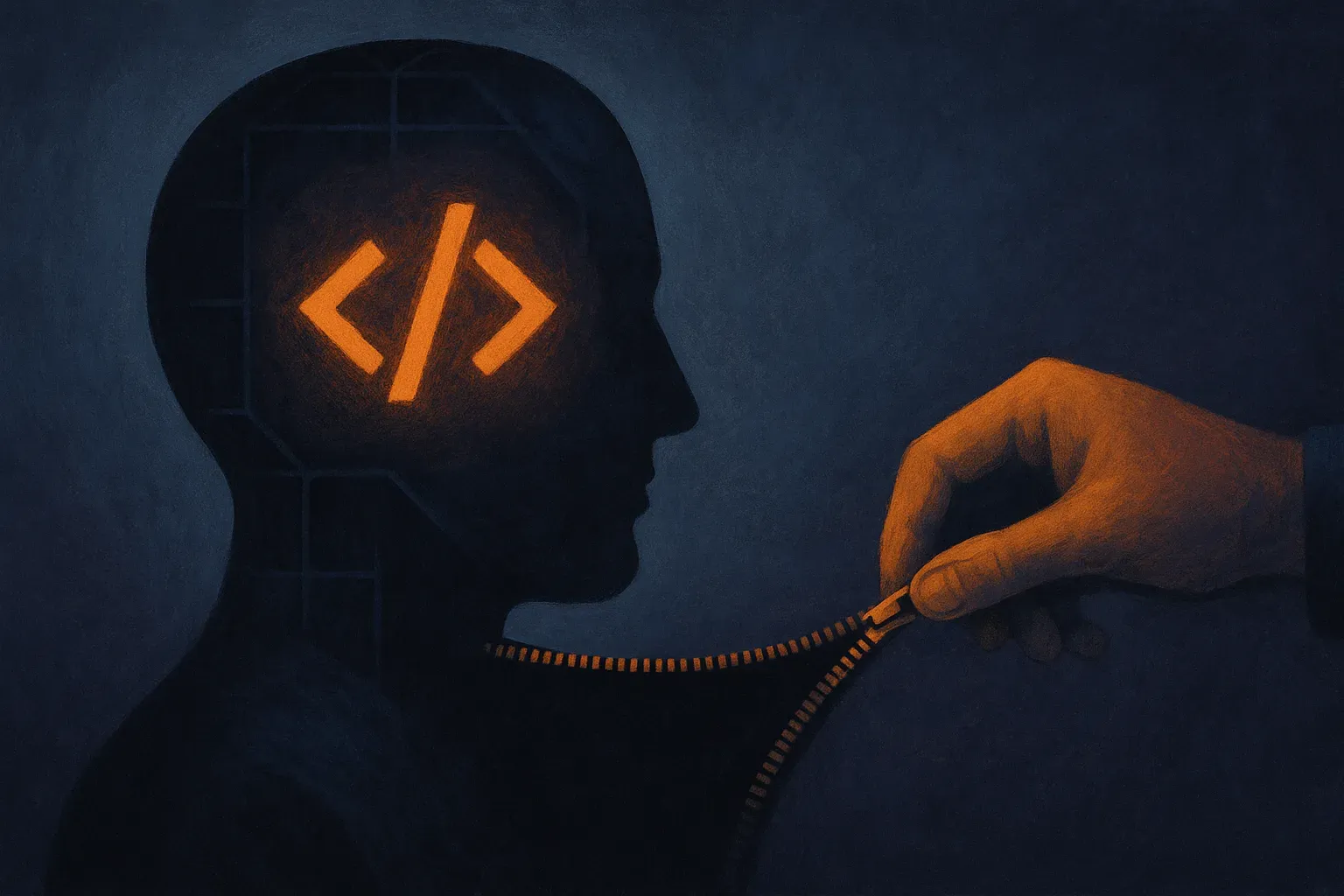
What Claude Code's Quiet A/B Test Says About Silent Model Downgrades
Anthropic appears to be testing lower effort levels in Claude Code without telling users, and the community noticed. Here is what the evidence actually shows, why silent tuning erodes trust, and how builders can catch quality drift before it burns them.
TL;DR: Some Claude Code users report Anthropic quietly A/B testing lower “effort” levels on their coding sessions, and even if the change is small, the bigger lesson for builders is that the model behind your tool can shift under you without warning, so you need your own way to detect it.
The primary source here is a Hacker News thread titled “Anthropic appears to be A/B testing reduced effort levels in Claude Code.” That framing matters: “appears to be.” Nobody in the thread produced a signed changelog or an Anthropic statement confirming a deliberate downgrade. What they produced was a pattern of complaints and some circumstantial evidence. I want to take that seriously without inflating it, because the actual story is more useful than the outrage version.
What are people actually claiming happened?
The claim, as it surfaced on Hacker News, is that Anthropic is running an A/B test that routes some Claude Code users to a reduced “effort” level. In practice that would mean the same model name and the same subscription, but shorter reasoning, less thorough tool use, quicker giving-up on hard tasks, or cheaper decoding under the hood.
I have not seen Anthropic confirm this, and the thread title itself hedges with “appears to be.” So treat the specifics as reported user perception, not established fact. What we have is a bunch of developers saying their sessions felt worse, some of them comparing outputs across accounts or time windows, and a shared suspicion that the variance is not random.
That is a weak evidentiary base on its own. Developer vibes are notoriously unreliable. People anchor on a great early experience, then read every later stumble as decline. Prompt habits drift. Codebases get harder. The model did not necessarily change; your tasks did. Anyone who has run a support queue for a dev tool has watched “it got dumber” reports spike for reasons that have nothing to do with the model.
But the reason this particular thread has legs is that “effort level” is a real, documented knob.

Is “effort level” a real thing or just a theory?
Yes, effort or reasoning budget is a real lever in modern reasoning models. Providers expose it in various forms: how many thinking tokens a model is allowed to spend, how aggressively it uses tools, how many internal steps it takes before answering. More effort usually means better results on hard problems and higher cost per request. Less effort means cheaper and faster, at the price of quality on the tasks that need deliberation.
So the technical premise is plausible. A provider absolutely could serve the same named model at a lower effort setting to some fraction of users and measure whether they complain, cancel, or keep working. That is a normal experiment for any company managing inference cost, and inference for agentic coding is expensive: Claude Code fires many calls per task, each one potentially spending a lot of thinking tokens.
The plausibility is exactly why people believe it. It fits the incentives. Coding agents are compute-hungry, subscription pricing is flat, and the cheapest way to protect margin is to quietly spend fewer tokens per user. I am not saying that is what happened. I am saying it is the kind of thing that would happen if a company optimized for cost without treating perceived quality as a first-class metric.
Why does silent tuning matter even if the change is small?
Because trust in these tools is built on stability, and stability is the thing that silent A/B testing breaks.
When you buy Claude Code, GitHub Copilot, Cursor, or any agent product, you are not buying a static artifact. You are renting access to a service that the vendor changes continuously. The model can be swapped, quantized, rerouted, throttled, or budget-capped, and most of that never shows up in a version number you can see. This is fundamentally different from downloading a compiler and knowing it behaves the same tomorrow.
That gap creates two problems. The first is practical: you cannot reproduce your own results. If your agent nailed a refactor last Tuesday and flubs the same class of task today, you do not know whether to fix your prompt, your codebase, or your expectations. The second is trust: silent changes, even beneficial ones, teach users that the ground can move without notice. Once people believe that, every bad output gets read as a stealth downgrade, whether or not one occurred. Anthropic, for its part, has generally positioned itself as the trust-forward lab, which makes an unannounced effort test more damaging to its own brand than to a competitor who never made that promise.

The fix on the vendor side is not “never experiment.” It is transparency about the class of change. Tell users an effort or routing experiment is live. Give a way to pin a known configuration. Expose the effort level in the response metadata. None of that kills the ability to optimize cost. It just moves the optimization out of the dark.
How can a builder actually detect model drift?
Stop trusting your memory and build a regression suite for the model itself.
The mistake most teams make is treating the model as infrastructure they can assume is constant. It is not. So instrument it like anything else that can silently regress. Keep a fixed set of representative tasks: a few real bug fixes, a refactor, a from-scratch feature, a tricky test-writing job. Freeze the prompts. Run them on a schedule against your coding agent and score the outputs, ideally with a mix of automated checks (does it compile, do tests pass, how many turns did it take) and periodic human review.
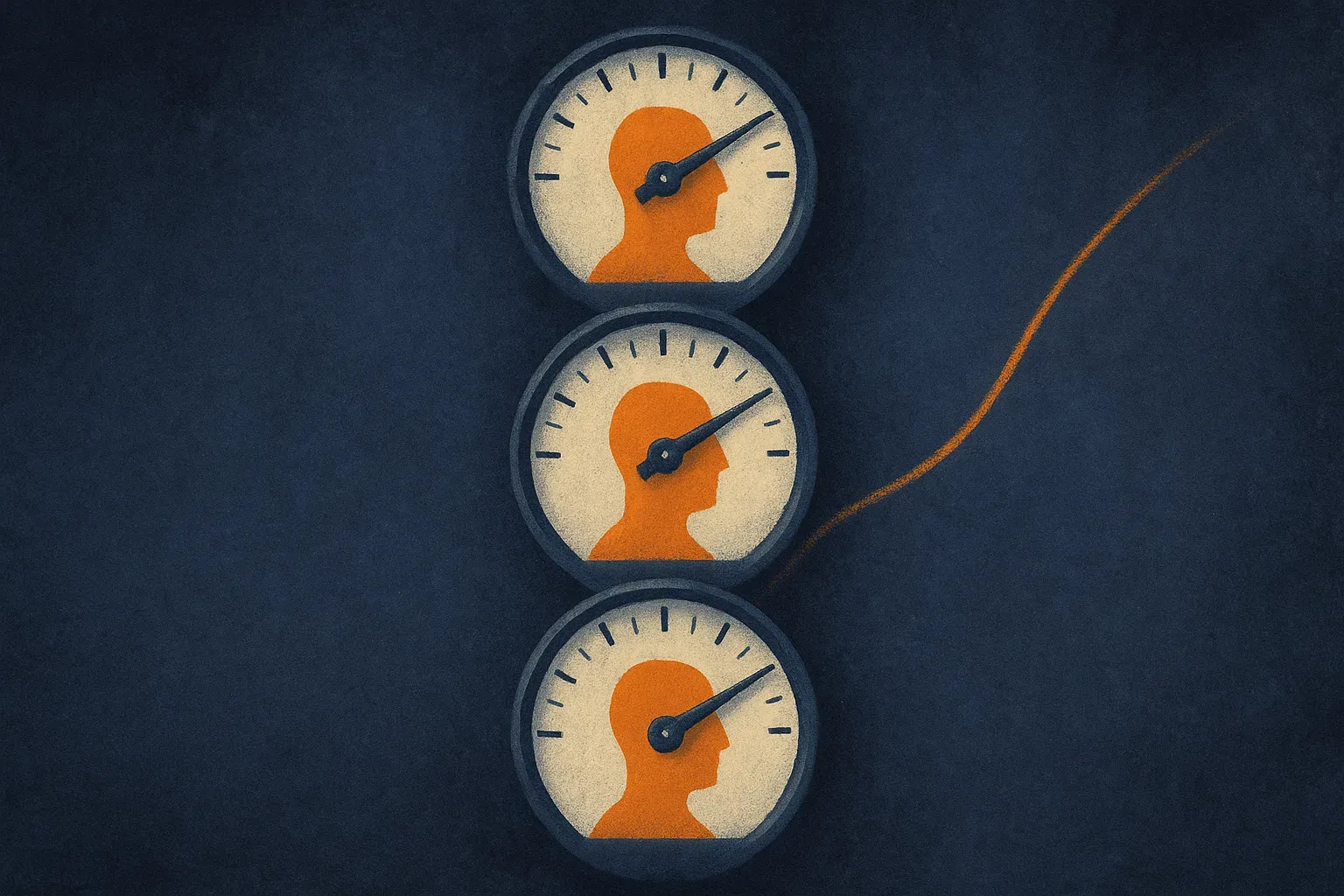
Track the cheap proxies too. Token counts per task, number of tool calls, latency, how often the agent bails or asks you to finish. A sudden drop in tokens spent alongside a drop in task success is exactly the fingerprint a reduced effort level would leave. You will not get a signed confession from the vendor, but you will get a signal you can act on: file a specific bug report with numbers, switch models for the affected task type, or route hard tasks to a config you control via the API where effort settings are explicit.
Here is the catch most readers miss: even a confirmed downgrade might be the right call for your workload. Lower effort is cheaper and faster, and plenty of coding tasks do not need maximum deliberation. The problem is never that effort levels vary. It is that you did not get to choose, and you could not tell. Measure your own tasks, decide what quality you actually need, and pick the setting on purpose instead of finding out from a forum thread that someone else picked it for you.
The Anthropic claim may or may not hold up. But treat it as a free reminder: your model is a moving service, so build the instruments to see it move.