
AI Overviews make CTR the metric to watch
Stable rankings and impressions no longer mean search traffic is safe. If CTR drops while visibility holds, AI Overviews may be satisfying the query before the click, which changes what SEOs and builders should try to recover.
TL;DR: If rankings and impressions stay steady while CTR falls, treat AI Overviews as a likely suspect, then decide whether the lost click is worth fighting for.
How do you know AI Overviews are taking clicks?
My primary source here is Search Engine Journal’s Ask An SEO piece, “How Do I Know If AI Overviews Are Taking Clicks From My Site And What Can I Do About It?” by Helen Pollitt. The useful frame is simple: stable rankings, stable impressions, falling CTR.
That pattern matters because it separates “Google stopped showing me” from “Google still shows me, but users no longer need me as much.” Those are different problems.
If rankings fall, you have a classic SEO problem. Maybe competitors improved. Maybe your page slipped. Maybe intent shifted. If impressions fall, demand or visibility changed. But if rankings and impressions hold while CTR declines, the search result itself probably got better at absorbing the query. AI Overviews are one possible reason.
Not the only reason. Featured snippets, People Also Ask, shopping modules, video blocks, local packs, and brand changes can all drain clicks. The point is not to blame AI for every bad chart. The point is to stop looking at rank as the finish line.
Rank used to feel like the hard part. Get page one, get paid. Now rank can be a seat near the stage while the answer is delivered before anyone visits your site.
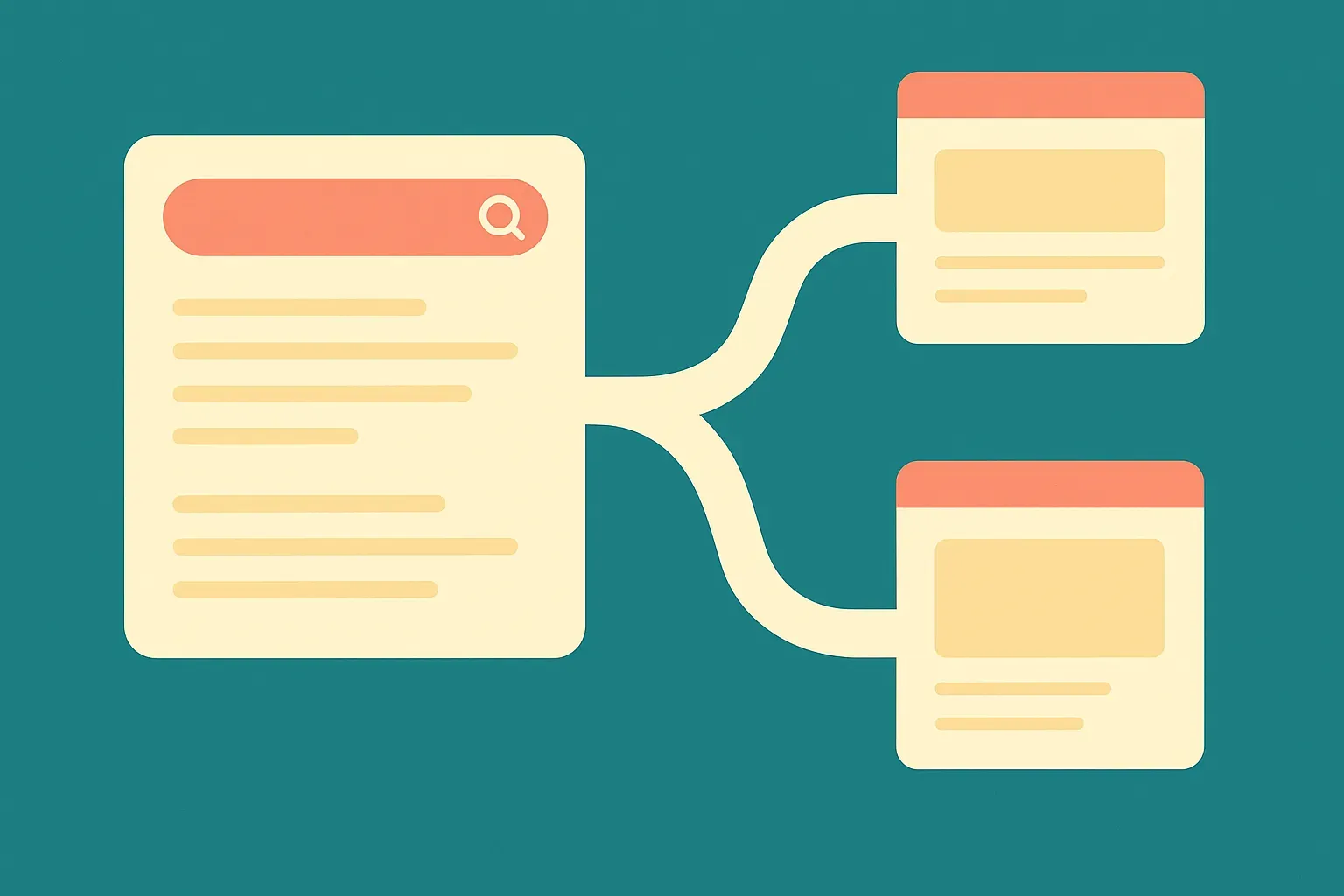
What should you check before changing the content?
Start with query groups, not whole-site averages. A sitewide CTR drop can hide ten different stories. Segment informational queries, comparison queries, brand queries, local queries, and high-intent commercial queries. AI Overviews are more likely to matter where the user wants a concise answer and less likely to close the loop where the user needs a tool, transaction, quote, file, account, community, or trusted human judgment.
Then compare three things over the same period: average position, impressions, and CTR. The Search Engine Journal framing is useful because it gives you a diagnostic signature, not a panic button. If position is stable and impressions are stable, you have a click extraction problem. If both are down, you have a visibility problem. If impressions are up and CTR is down, you may still be gaining total clicks, so do the math before rewriting half the site.
You also need eyes on the SERP. Search Console can tell you something changed. It cannot fully tell you what the result looked like to users across locations, devices, and logged-in states. Manually check the queries that matter. Look for AI Overviews, snippets, forum blocks, product grids, and anything else that gives users enough information to stop.
The uncomfortable part: some clicks are not coming back. If the query is “what is X” and the answer is a short definition, a machine summary can satisfy it. You can still rank. You can still be cited. You may not get the visit.
What is worth recovering?
Fight for clicks where your page does something the results page cannot.
That means original data, calculators, templates, diagnostics, opinionated comparisons, workflows, product screenshots, examples, and lived experience. A generic explainer is easy for an answer box to compress. A decision page with tradeoffs, edge cases, and next steps is harder to replace. A page that helps someone do the work is harder still.
For publishers, this pushes content strategy away from “cover every definition” and toward “own the next action.” For SaaS teams, it means your SEO pages should connect to a useful workflow, not just answer the top-level query. For ecommerce, it means specs alone are weak, while fit, comparison, compatibility, proof, and service details can still pull intent forward.
I would not delete every page with falling CTR. Some pages support brand discovery. Some help AI systems and search systems understand your topical footprint. Some assist users who later return through another channel. But I would stop treating all traffic loss as equally recoverable.
The practical move is to build a weekly view of queries where position and impressions are flat but CTR is down. Manually inspect the top losers. Mark each one as recoverable, partially recoverable, or probably gone. Then improve only the first two groups. Add tools, examples, comparison depth, proprietary proof, and clear next steps. The catch most teams miss: the goal is not to beat AI Overviews at summarizing. It is to make the click do something the summary cannot.
Related: Ashe runs the SEO practice at Lucky Domains, which builds search visibility the durable way: foundations first, then pages worth ranking.