
Team.ai’s reported $136,500 auction and the naming tax on AI startups
DomainInvesting reported that Team.ai closed at a six-figure high bid on Namecheap Market. The useful signal is not a domain price call, it is how scarce generic AI positioning has become for builders.
TL;DR: Team.ai’s reported $136,500 auction price is less interesting as a domain comp than as a reminder that generic AI brand territory is now expensive, crowded, and easy to overvalue.
What actually happened with Team.ai?
DomainInvesting reported that the Team.ai auction on Namecheap Market closed yesterday with a high bid of $136,500. Elliot Silver wrote that he saw the auction after bidding had already moved beyond what he was willing to spend, and said NameBio noted the auction on X. DomainInvesting also reported nearly 100 bids.
That is the whole confirmed story from the material here. No buyer named. No product attached. No first-party statement from Namecheap in the provided sources. No evidence of a completed transfer, use case, or company launch. So I would treat the number as a reported auction outcome, not as a clean market truth that automatically maps to every other .ai name.
Still, it is a useful artifact. “Team” is one of those words that lands right in the middle of where AI software is going: collaboration, agents, copilots, shared workspaces, team productivity, internal knowledge, workflow automation. Add .ai and the name tells a simple story before the product loads.
That simplicity is what people bid for.
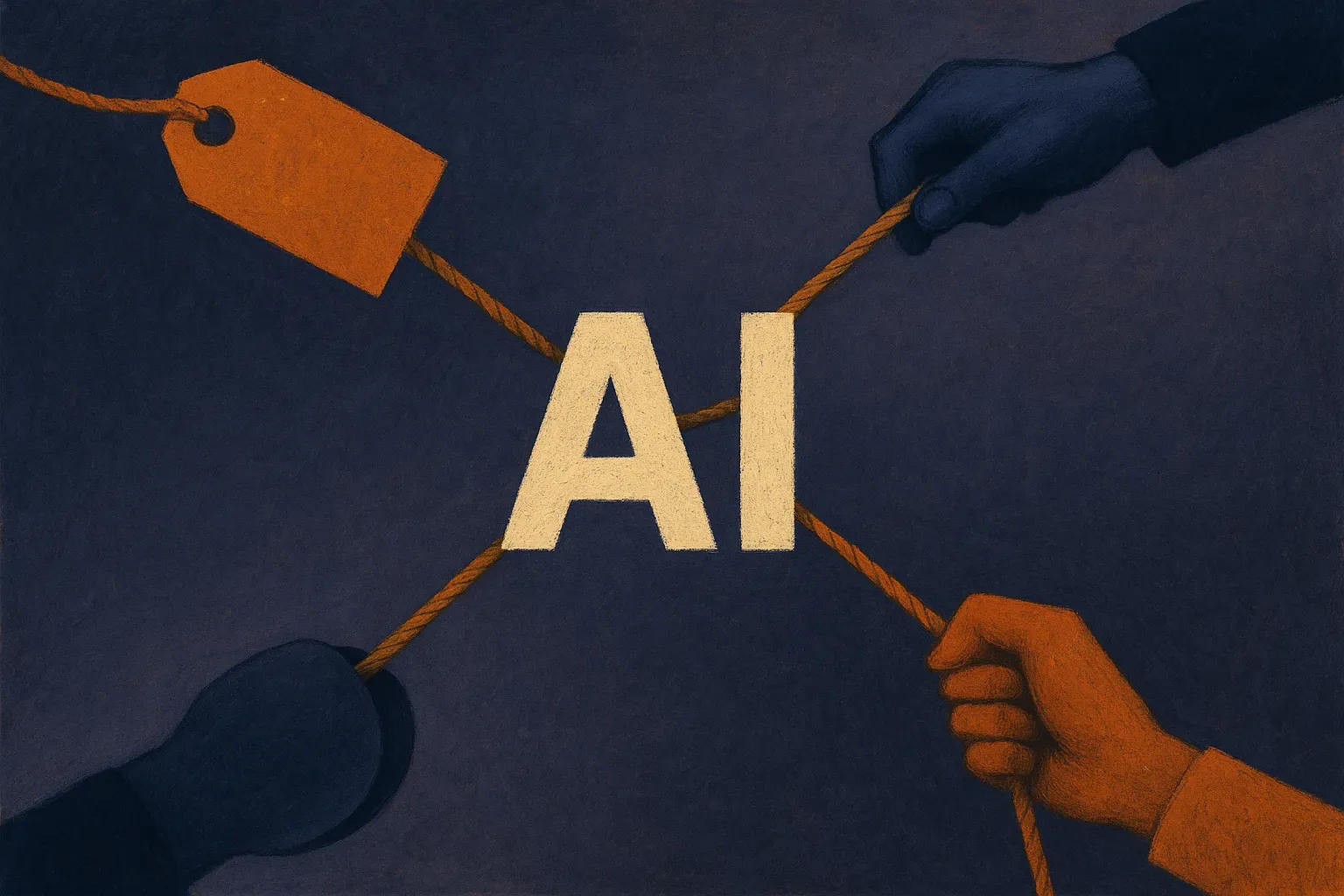
Why would a generic .ai name command this much attention?
A domain like Team.ai has three things domain buyers tend to like: a common word, a short string, and an extension that matches the category. The problem is that those same traits can make the name feel more valuable than the business behind it.
For an AI startup, a domain can reduce friction. It can make sales decks cleaner. It can make the product feel established earlier than it is. It can help when a buyer, candidate, investor, or journalist hears the name once and tries to remember it later.
But that is brand efficiency, not product-market fit.
The AI market is full of products with names that sound inevitable and workflows that are still vague. “Team AI” could mean an agent platform, a meeting assistant, an enterprise search tool, an HR product, a Slack bot, a multi-agent research system, or a consulting shop. The generic nature creates optionality, but it also creates ambiguity.
That is the catch with premium AI names. The better the word, the more people can project onto it. Projection drives auction heat. It does not tell you whether the eventual product will be good, defensible, or durable.
What should builders take from this?
I would not read Team.ai as a pricing benchmark for your own domain hunt. That gets silly fast. Domain markets are thin, emotional, and highly dependent on the exact string, bidder mix, timing, and perceived category fit. A single auction result can be real and still be a poor guide.
The better takeaway is strategic: naming has become part of the AI tax.
If you are building in a crowded category, the obvious names are probably gone or expensive. That pushes teams into one of three paths. Pay up for clarity. Invent a name and spend time teaching the market. Use a longer, more specific name that says exactly what the product does.
The third path is underrated. A name like “team” is broad. A name tied to a concrete workflow can sometimes convert better, especially early, because buyers are not shopping for vibes. They are trying to fix support queues, reduce analyst busywork, summarize contracts, build test suites, or route leads.
Premium domains can help later, once distribution and category shape are clearer. Early, they can also become a very expensive form of procrastination.
For practitioners, I’d use this as a naming stress test, not a domain shopping signal. Write down the exact job your AI product does, the buyer who feels the pain, and the phrase they would type when looking for relief. If the premium name sharpens that story, maybe it belongs in the conversation. If it only makes the company feel bigger in your head, ship on the imperfect name and spend the money learning from users. The catch most readers miss: a generic AI domain can buy attention, but specificity usually earns trust.
Related: Domain acquisition and brokerage is Ashe’s day job at Lucky Domains, where the same questions about naming, trust, and price come up on real deals.