AI search attribution is becoming an operating problem
Greg Jarboe’s Search Engine Journal piece points at a real measurement gap: AI systems are influencing discovery, trust, and action faster than analytics can attribute them, so brands need new operating habits before clean dashboards arrive.
TL;DR: AI search is already shaping discovery and trust, but the measurement stack is still built for clicks, so operators need to track citations, mentions, and agent behavior before attribution catches up.
What is actually breaking in measurement?
Greg Jarboe’s Search Engine Journal piece, “AI’s Impact Is Outrunning Measurement: The Trust And Attribution Gap Facing Brands,” names the core problem plainly: AI’s impact in H1 2026 has moved faster than the systems used to measure it.
That sounds abstract until you put it next to the old marketing loop. A user searches. A link ranks. The user clicks. Analytics sees the referrer. Attribution assigns some credit. Imperfect, but workable.
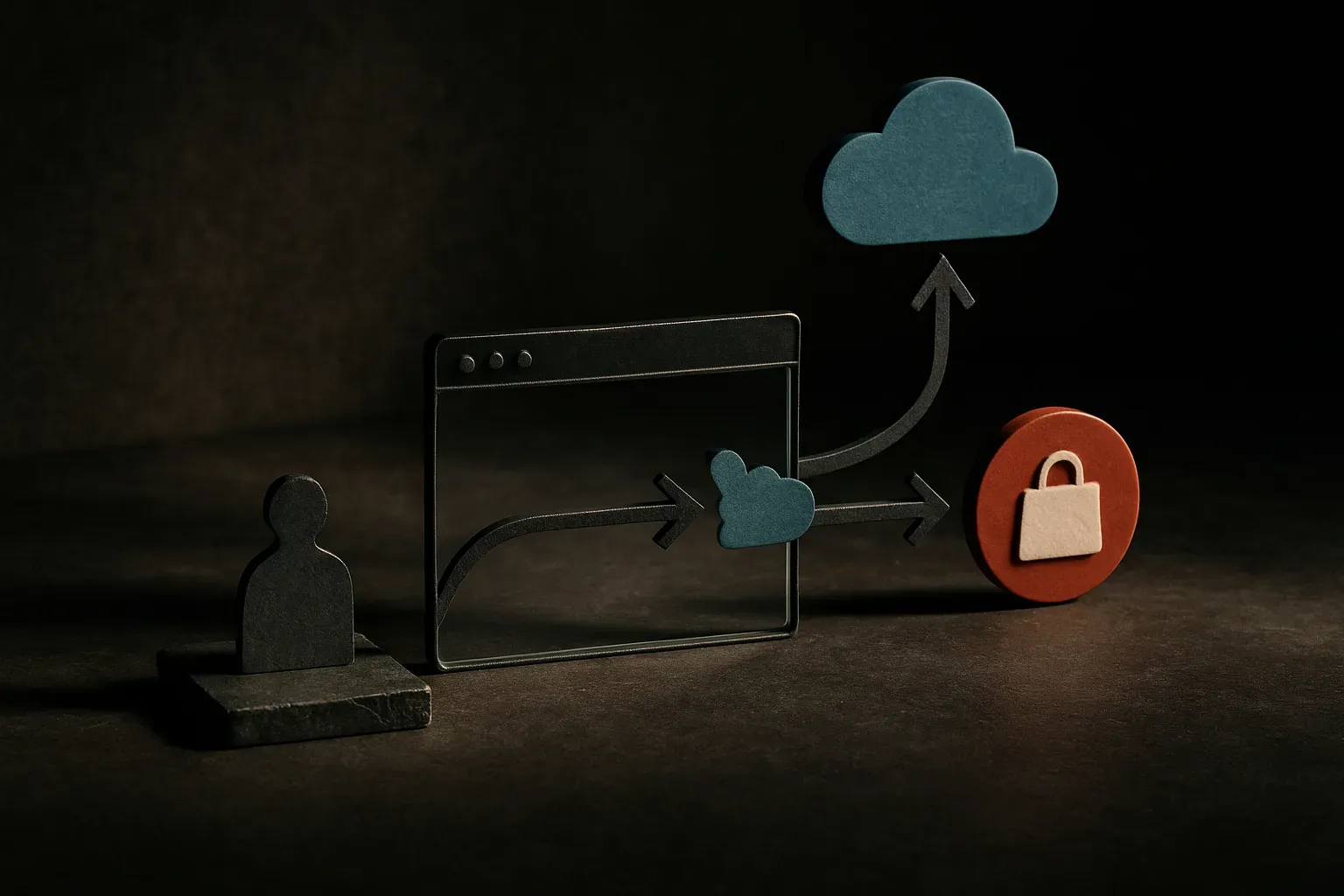
AI search breaks that loop in several ways. A model can answer without sending a click. It can cite a brand without the user visiting. It can summarize a competitor’s claim next to yours. It can remember a preference across steps. And in agent workflows, it may act before the brand ever sees a conventional session.
Jarboe points to Indig’s citation data, agent share shifts, and the split between intelligence and agency as signals that the old dashboard is undercounting real influence. I would treat that as the right frame, even if the public snippet does not give enough detail to audit the full dataset.
The practical issue is not that analytics is useless. It is that analytics is now late. It sees the residue of decisions, not the formation of them.
Are citations the new rankings?
Not exactly.
Citations matter because they are one of the few observable traces inside AI answers. If a model cites your documentation, review page, research, product page, or support content, that is a signal that your material is part of the answer layer. For many teams, that will become as important as ranking on page one used to be.
But citations are not rankings with a new coat of paint. They are messier.
A citation can appear because a page is clear, because it is authoritative, because it is easy to parse, because it is repeated elsewhere, or because the model’s retrieval system found it useful in that moment. A missing citation does not always mean a missing influence. A cited source does not always earn the user’s trust. And a model can blend facts from several places in ways that make credit hard to assign.
This is the trust gap Jarboe is getting at. Brands used to worry about whether they were visible. Now they also need to worry about whether an AI system represents them accurately, whether it chooses them as a source, and whether the user treats the AI’s answer as enough.
That last part is the uncomfortable one. The brand may never get the visit. The AI answer may be the whole experience.
What changes when agents start acting?
The intelligence-versus-agency split is useful. Intelligence is the model answering, comparing, explaining, and recommending. Agency is the system doing things: booking, buying, filling forms, contacting vendors, renewing contracts, or routing work.
Most brand teams are still focused on the intelligence layer because it is visible. They test prompts. They look for citations. They compare answers across ChatGPT, Gemini, Perplexity, Claude, and Google AI experiences.
That is necessary, but incomplete.
Agent behavior shifts the question from “Did we show up?” to “Were we usable?” If an AI assistant is helping someone choose software, plan travel, file expenses, or order supplies, the assistant needs structured, current, low-friction information. Pricing ambiguity, stale docs, blocked pages, inconsistent product names, and vague policies become machine-facing conversion problems.
This is where the hype gets ahead of reality. Fully autonomous buying agents are not the default consumer behavior today. But partial agency is already normal: summarize options, compare plans, draft outreach, check availability, prepare purchase steps. Each partial step can steer demand before a human lands on your site.
Practitioner’s take: start with a small AI visibility audit, not a giant attribution rebuild. Pick your top products, support questions, comparison terms, and brand queries. Test how major AI systems describe you, whether they cite you, which pages they use, and where they get facts wrong. Then fix the boring inputs: clean docs, consistent naming, crawlable pages, clear pricing language where possible, and pages that answer actual decision questions. The catch most teams miss is that this is not only an SEO task. It is product marketing, support, web, data, and analytics sharing one new surface area.