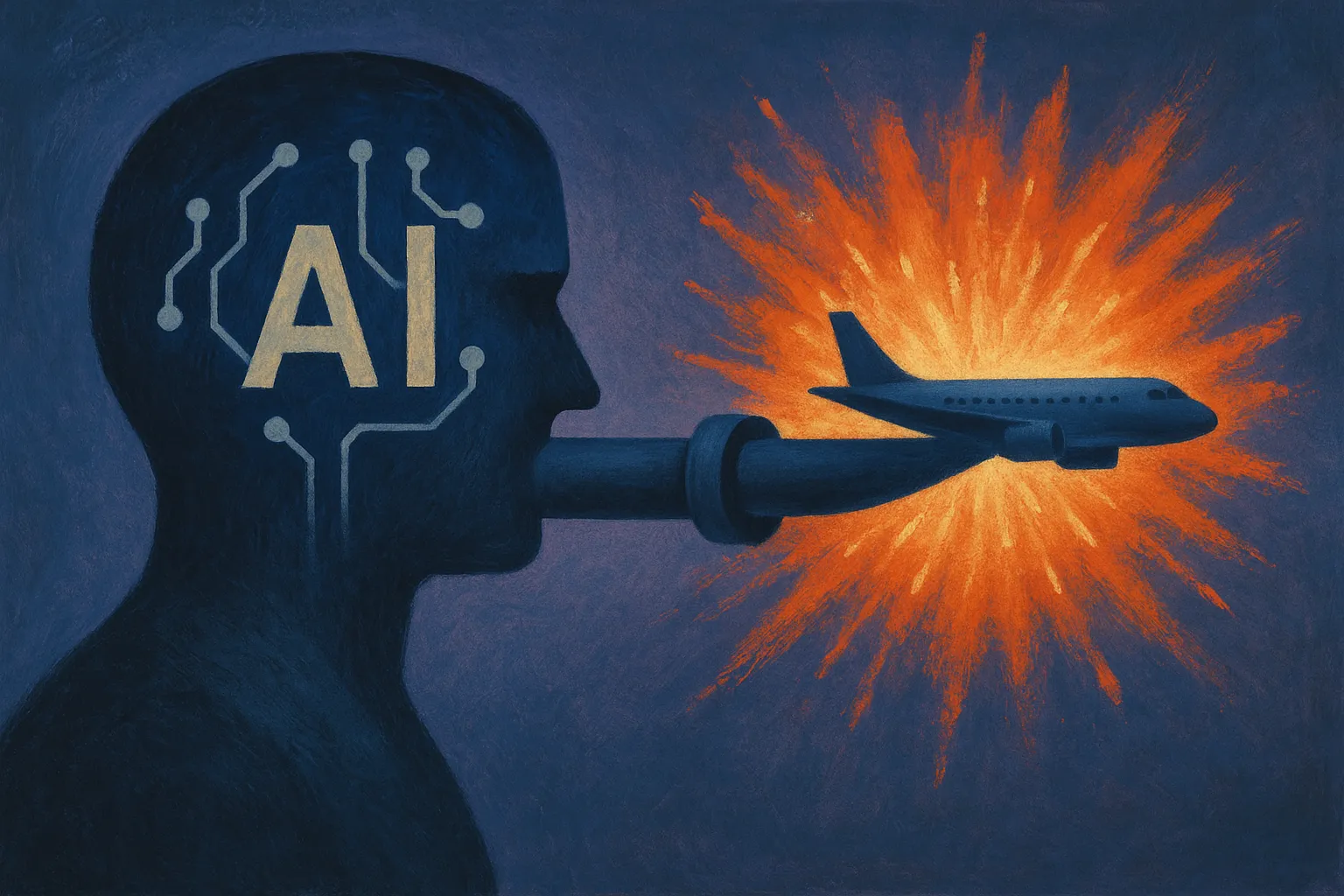
An aviation headline in the AI feed is a pipeline problem
A Delta firework incident near Midway is not an AI story, which makes it useful anyway. It exposes a basic failure mode in automated feeds: bad classification can waste attention before a model ever gets involved.
Hacker News surfaced a thin item in an AI-labeled feed: “Delta flight hit by firework while landing at Midway Airport on Fourth of July.”
That is the whole useful fact set I have. No airline statement. No FAA detail. No injury report. No damage description. Also, no obvious AI angle.
Which is the point.
A lot of AI workflow failures do not look like hallucinations. They look like this: the wrong thing enters the system, gets treated as relevant, and then everything downstream does its job on bad input. Summarizers summarize it. Agents route it. Dashboards rank it. Writers see it. Alerts fire. Nobody “made up” anything, but the workflow still burned attention.
The boring layer is where the mistake starts
Most AI product talk jumps straight to model quality. Bigger context windows. Better reasoning. Tool use. Agents.
But the first question in any information workflow is simpler: did the right item make it into the right bucket?
Here, the apparent classification failed. A local aviation safety item landed in an AI queue. Maybe it was keyword drift. Maybe a scraper crossed wires. Maybe the feed label is loose. Maybe Hacker News discussion patterns pulled it into an automated topic stream by mistake. I do not know, and the source does not say.
That uncertainty matters. It is tempting to build an AI layer that confidently explains why this is “about AI,” maybe drone risk, airport automation, computer vision, or security screening. That would be fake connective tissue. The honest read is narrower: this looks out of domain.
That is useful signal for builders. When a system cannot say “this does not belong here,” it will spend compute and human trust pretending everything belongs somewhere.
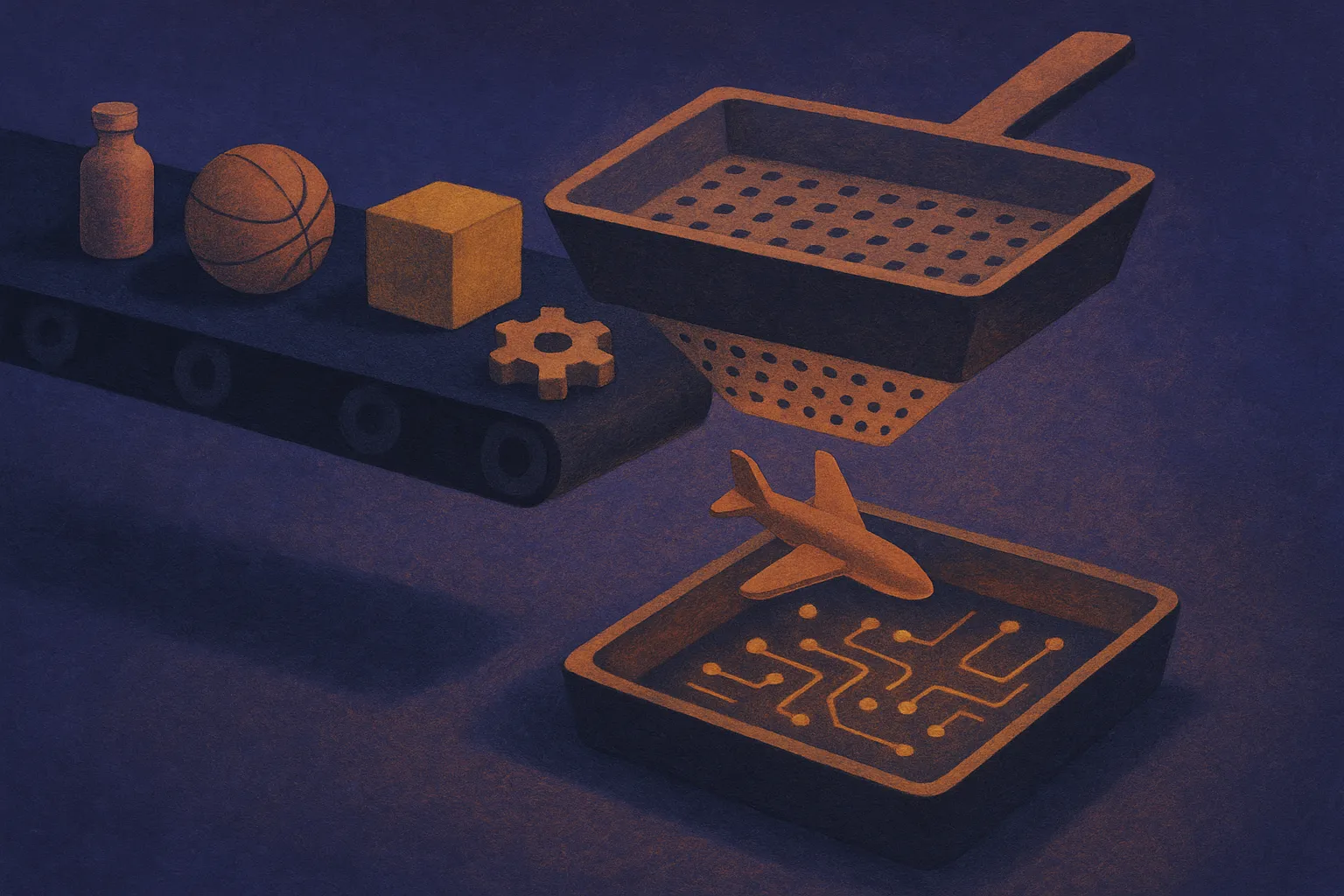
Relevance is a product feature, not a prompt trick
You can patch this with prompts, but only up to a point.
A prompt can say, “Reject stories that are not about AI.” A classifier can score topic fit. An embedding search step can compare the item against known AI clusters. A human can audit borderline cases. Each helps.
The better pattern is layered. First, deterministic filters for obvious misses. Then a cheap model pass for topic fit. Then a stricter threshold for publishing, alerting, or routing to a human. If the item is high-consequence or low-context, the system should ask for more source material before producing analysis.
The key is to separate “interesting” from “relevant.” A Delta plane reportedly hit by a firework while landing at Midway on July Fourth is interesting. It may be important aviation news. But that does not make it AI news.
This distinction gets lost in agent demos. Agents are often rewarded for continuing. They search, summarize, compose, and act. Real systems need a strong refusal path before the work begins. Not a safety refusal in the policy sense. A relevance refusal. “I do not have enough evidence that this belongs in this workflow.”
Thin sources need thinner claims
There is another lesson here: sparse input should produce modest output.
With only a headline, I should not infer whether the flight landed safely, whether passengers noticed, whether Delta confirmed it, whether fireworks were illegal in that location, or whether the airport changed procedures. Those may be true, false, or unknown. The only supported claim is the headline-level one attributed to Hacker News’ surfaced item.
That constraint is annoying. It is also the discipline that keeps AI-assisted publishing from turning into lore generation.
Practitioners should treat this as a test case. Add a “not my domain” gate to your ingestion pipeline, then log the rejects and review them weekly. Use cheap classifiers, but make the output visible: accepted, rejected, uncertain. The catch most teams miss is that accuracy on accepted items is not enough. You also need to measure what slipped into the queue that never should have been there.